Hemiptera
An order of insects with piercing-sucking mouthparts, including cicadas and bed bugs.
Hemiptera, or true bugs, is an insect order that includes over 80,000 species, such as cicadas, aphids, planthoppers, leafhoppers, assassin bugs, bed bugs, and shield bugs. Their size ranges from 1 mm to about 15 cm, and they all have piercing-sucking mouthparts. The term "true bugs" sometimes refers only to the suborder Heteroptera. Most true bugs feed on plants by piercing them and sucking sap, but some are blood-feeders (hematophagous), and others are predators of insects or small invertebrates. They occupy many habitats, mostly on land, though some live in or on freshwater, like pond skaters, water boatmen, and giant water bugs. True bugs undergo incomplete metamorphosis (hemimetabolous), so their nymphs look somewhat like adults. Many aphids can reproduce through parthenogenesis, producing young from unfertilized eggs, which allows rapid population growth in good conditions.
Humans have dealt with true bugs for thousands of years. Many aphids are major agricultural pests, damaging crops by sucking sap. Others directly harm people by spreading serious diseases. Bed bugs are persistent human parasites, and some kissing bugs transmit Chagas disease. Certain species are used for biological control of insect pests or invasive plants. A few true bugs are raised for dyes like cochineal and carmine, or for shellac. Cicadas have been eaten as food and appear in literature as far back as the Iliad in ancient Greece.
The name Hemiptera comes from Greek words meaning "half-wings," because many species have forewings that are hard and leathery at the base but thin and clear at the tips. Entomologists reserve the word "bug" for Hemiptera or Heteroptera, not for other arthropods or insects like ants, bees, beetles, or butterflies. In some English dialects, any land arthropod (including spiders and centipedes) is called a bug. Many insects with "bug" in their common name belong to other orders—for example, lovebugs are flies, while maybugs and ladybugs are beetles.
Hemiptera is the largest order of insects that do not undergo complete metamorphosis (hemimetabolous), though male scale insects do undergo a kind of complete metamorphosis. It contains over 95,000 named species. All larger insect orders are holometabolous, meaning they have a pupal stage and complete metamorphosis. Most true bugs live on land, including many agricultural pests, but some live in freshwater—mainly members of the infraorders Nepomorpha and Gerromorpha, such as water boatmen, backswimmers, pond skaters, velvet water bugs, and giant water bugs. Some land-dwelling groups, like shore bugs and toad bugs, are also found near water.
Hemiptera belongs to the insect superorder Paraneoptera, which also includes lice and thrips. Within Paraneoptera, Hemiptera is most closely related to thrips (Thysanoptera). The fossil record of true bugs goes back to the Carboniferous period (Moscovian stage). The oldest fossils are Archescytinidae from the Lower Permian, thought to be ancestral to Auchenorrhyncha. Fulgoromorpha and Cicadomorpha appear in the Upper Permian, as do Sternorrhyncha groups like Psylloidea and Aleyrodoidea. Aphids and scale insects appear in the Triassic. Coleorrhyncha dates to the Lower Jurassic, and Heteroptera first appears in the Triassic.
Historically, the order Hemiptera (sometimes called Rhynchota) was split into two groups: "Homoptera" and Heteroptera/Hemiptera, based on wing structure and rostrum position. "Homoptera" is now considered a paraphyletic group and an obsolete name. The order is currently divided into four suborders: Heteroptera, Sternorrhyncha, Auchenorrhyncha, and Coleorrhyncha. Earlier work used nuclear DNA, but later mitochondrial DNA analysis suggests Homoptera might be monophyletic after all, as a sister group to Heteroptera. The disagreement may be due to long branch attraction in phylogenetic analysis, caused by rapidly evolving DNA regions.
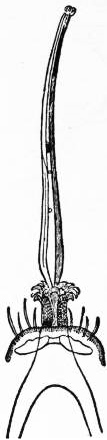
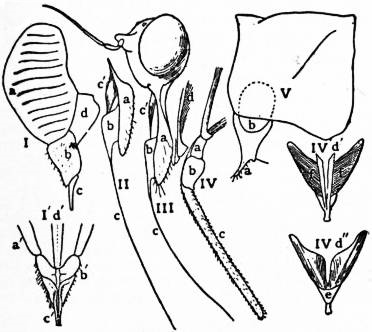
The defining feature of true bugs is their rostrum, or beak, in which modified mandibles and maxillae form a stylet sheathed inside a modified labium. The stylet pierces tissues and sucks liquids, while the labium supports it. The stylet has one channel for saliva and another for liquid food. A salivary pump pushes saliva into the prey, and a cibarial pump pulls liquid food in; both pumps are powered by large dilator muscles in the head. The beak is usually folded under the body when not in use. The typical diet is plant sap, but some true bugs, like assassin bugs, are predators. Both plant-feeding and predatory true bugs inject enzymes to start digestion outside the body. These enzymes include amylase (to break down starch), polygalacturonase (to weaken plant cell walls), and proteinases (to break down proteins). Although true bugs vary greatly in shape, their mouthparts always form a distinctive rostrum.
- fossil_record
- Carboniferous (Moscovian); oldest fossils are Archescytinidae from the Lower Per
Lore & Background
The name Hemiptera comes from the Greek words hemi (half) and ptera (wings), meaning "half-wings," since the forewings of many species are hardened and leathery at the base but membranous and somewhat transparent at the tips. Entomologists reserve the term bug for Hemiptera or Heteroptera, which does not include other arthropods or insects of other orders such as ants, bees, beetles, or butterflies. The order is now divided into four suborders: Heteroptera, Sternorrhyncha, Auchenorrhyncha, and Coleorrhyncha. Historically, the present members were placed into two orders, the so-called Homoptera and Heteroptera/Hemiptera, based on differences in wing structure and the position of the rostrum. "Homoptera" was established as a paraphyletic group and an obsolete name. Later phylogenetic analysis using mitochondrial DNA suggests that Homoptera may be monophyletic after all, a sister group of Heteroptera.
Reader's Guide
Hemiptera is the largest order of hemimetabolous insects, containing more than 95,000 named species. The majority of species are terrestrial, including a number of important agricultural pests, but some are found in freshwater habitats. Many aphids are significant agricultural pests, damaging crops by sucking the sap. Others harm humans more directly as vectors of serious diseases: the bed bug is a persistent parasite of humans, and some kissing bugs can transmit Chagas disease. Some species have been used for biological control of insect pests or of invasive plants. A few hemipterans have been cultivated for the extraction of dyestuffs such as cochineal and carmine, and for shellac. Cicadas have been used as food, and have appeared in literature since the Iliad in Ancient Greece. The fossil record of hemipterans goes back to the Carboniferous (Moscovian). The defining feature of hemipterans is their rostrum, or "beak," in which the modified mandibles and maxillae form a "stylet" which is sheathed within a modified labium.
Did You Know?
- The name "Hemiptera" comes from Greek words meaning "half-wings," referring to forewings that are hardened at the base but membranous at the tips.
- Male cicadas produce the loudest sound of any insect using tymbal organs on the underside of the abdomen.
- Many aphids are parthenogenetic and viviparous, allowing them to reproduce extremely rapidly when conditions are suitable.
- The oldest hemipteran fossils are from the Lower Permian, belonging to the family Archescytinidae.
- Some hemipterans have been cultivated for cochineal and carmine dyes, and for shellac.
A Vast and Ancient Order
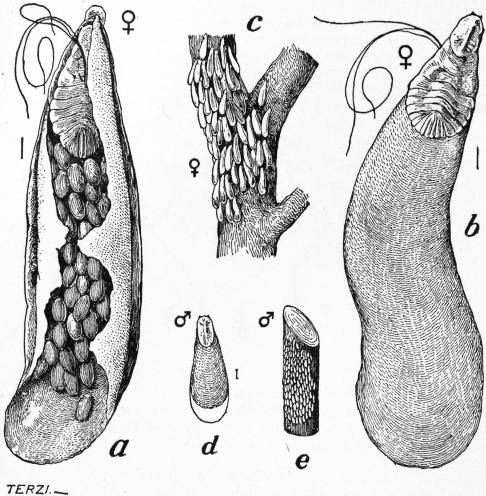
Hemiptera is the largest order of hemimetabolous insects (not undergoing complete metamorphosis; though some examples such as male scale insects do undergo a form of complete metamorphosis), containing more than 95,000 named species. Other insect orders with more species are all holometabolous, meaning they have a pupal stage and undergo complete metamorphosis. The majority of species are terrestrial, including a number of important agricultural pests, but some are found in freshwater habitats. These are usually members of the Nepomorpha and Gerromorpha infraorders, including water boatmen, backswimmers, pond skaters, velvet water bugs, and giant water bugs. Some terrestrial groups are also found near water, such as shore bugs and toad bugs. The name Hemiptera comes from the Greek words hemi (half) and ptera (wings), meaning "half-wings," since the forewings of many species are hardened and leathery at the base but membranous and somewhat transparent at the tips.
The Architecture of the Rostrum
The defining feature of hemipterans is their rostrum, or "beak," in which the modified mandibles and maxillae form a "stylet" which is sheathed within a modified labium. The stylet is capable of piercing tissues and sucking liquids, while the labium supports it. The stylet contains a channel for the outward movement of saliva and another for the inward movement of liquid food. A salivary pump drives saliva into the prey; a cibarial pump extracts liquid from the prey. Both pumps are powered by substantial dilator muscles in the head. The beak is usually folded under the body when not in use. The diet is typically plant sap, but some hemipterans such as assassin bugs are predators. Both herbivorous and predatory hemipterans inject enzymes to begin digestion extra-orally (before the food is taken into the body). These enzymes include amylase to hydrolyse starch, polygalacturonase to weaken the tough cell walls of plants, and proteinases to break down proteins.
Allies, Pests, and Partners in Human History
Humans have interacted with Hemipterans for millennia. Some species, including many aphids, are significant agricultural pests, damaging crops by sucking the sap. Others harm humans more directly as vectors of serious diseases. The bed bug is a persistent parasite of humans, and some kissing bugs can transmit Chagas disease. Some species have been used for biological control of insect pests or of invasive plants. A few hemipterans have been cultivated for the extraction of dyestuffs such as cochineal and carmine, and for shellac. Cicadas have been used as food, and have appeared in literature since the Iliad in Ancient Greece.
Deep Roots and Shifting Classifications
The fossil record of hemipterans goes back to the Carboniferous (Moscovian). The oldest fossils are of the Archescytinidae from the Lower Permian and are thought to be basal to the Auchenorrhyncha. Fulgoromorpha and Cicadomorpha appear in the Upper Permian, as do Sternorrhyncha of the Psylloidea and Aleyrodoidea. Aphids and Coccoids appear in the Triassic. The Coleorrhyncha extend back to the Lower Jurassic. The Heteroptera first appeared in the Triassic. The present members of the order Hemiptera (sometimes referred to as Rhynchota) were historically placed into two orders, the so-called Homoptera and Heteroptera/Hemiptera, based on differences in wing structure and the position of the rostrum. "Homoptera" was established as a paraphyletic group and an obsolete name. The order is now divided into four suborders, Heteroptera, Sternorrhyncha, Auchenorrhyncha, and Coleorrhyncha. The earlier work was based on nuclear DNA, but later phylogenetic analysis using mitochondrial DNA suggests that Homoptera may be monophyletic after all, a sister group of Heteroptera. The cause of the disparity in the analyses is suggested to be the long branch attraction effect in phylogenetic analysis, due to rapidly evolving DNA regions.
Gallery
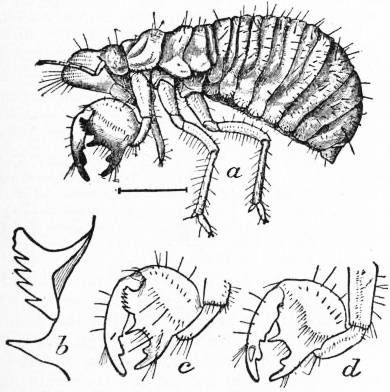
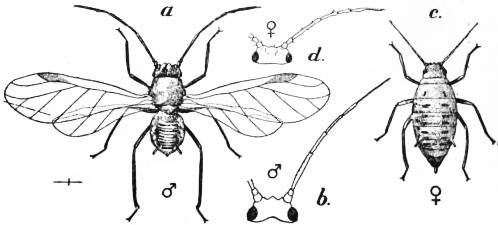
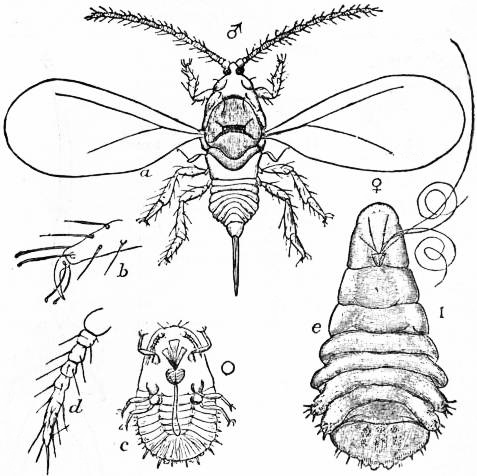
Frequently Asked Questions
Who is Hemiptera?
Hemiptera is an order of insects that includes well-known groups such as cicadas, aphids, and bed bugs. They are united by a shared set of rigid, needle-like mouthparts built for piercing and sucking. Individual species range from roughly a millimeter to about fifteen centimeters in length.
What are Hemiptera's signature abilities?
Their defining trait is a pair of stiff, straw-like mouthparts that let them bore into plant tissue or animal skin to draw out fluids. The majority tap into plant sap, though certain lineages have shifted toward hunting other insects or feeding on blood.
How does Hemiptera's life cycle work?
Hemipterans undergo incomplete metamorphosis, so their young emerge as small, wingless nymphs that closely resemble miniature adults. They pass through a series of molts before developing full wings in the final adult stage, with no pupal phase in between.
Why is Hemiptera important to humans?
Many hemipteran species are major agricultural pests that drain sap from crops, while others act as vectors for serious human and animal diseases. On the beneficial side, a few species have been deliberately deployed as biological control agents to manage other insect populations.
When did Hemiptera first appear in the fossil record?
The oldest confirmed hemipteran fossils come from the Permian period, making them one of the older insect lineages known to science. That places their origins well before the rise of the dinosaurs.
More in Invertebrates 1-24
Spotted an error? Know more?
This is a living reference — every entry is fact-audited, and reader corrections feed straight into our audit queue. Suggest an edit · See this site's audit record