Ant
Eusocial insects of the family Formicidae, found worldwide except Antarctica.

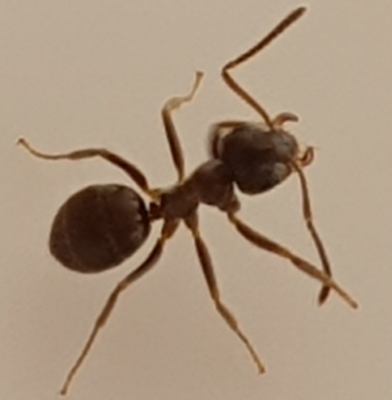
Brocken Inaglory · CC BY-SA 3.0
Ants are eusocial insects of the family Formicidae, belonging to the order Hymenoptera along with wasps and bees. They evolved from vespoid wasp ancestors in the Cretaceous period and have colonized almost every landmass on Earth, with the only places lacking indigenous ants being Antarctica and a few remote or inhospitable islands. Their success is attributed to their social organization, ability to modify habitats, tap resources, and defend themselves, and they have long been an inspiration and subject of study due to parallels with human societies.
- Estimated global population (2022)
- About 20 quadrillion (2 × 10^16) individuals
Lore & Background
Ants evolved from vespoid wasp ancestors in the Cretaceous period. Modern ant subfamilies appeared toward the end of the Cretaceous around 80–70 million years ago. Ants diversified extensively during the Angiosperm Terrestrial Revolution and assumed ecological dominance around 60 million years ago. Some groups, such as Leptanillinae and Martialinae, are suggested to have diversified from early primitive ants that were likely predators underneath the soil surface. Ants form colonies ranging from a few dozen individuals in small natural cavities to highly organized colonies with millions of individuals, and in some cases super colonies with hundreds of millions. Colonies consist of various castes of sterile, wingless females (workers and soldiers), along with fertile males called drones and one or more fertile females called queens. Colonies are described as superorganisms because the ants appear to operate as a unified entity, collectively working together to support the colony. Ants have colonized almost every landmass on Earth except Antarctica and a few remote islands. They thrive in moist tropical ecosystems and may exceed the combined biomass of wild birds and mammals. Their long co-evolution with other species has led to mimetic, commensal, parasitic, and mutualistic relationships. Some species, such as the red imported fire ant (Solenopsis invicta), are regarded as invasive in other parts of the world.
Reader's Guide
Ants are significant as eusocial insects that have achieved ecological dominance across most terrestrial habitats. Their social organization, division of labor, communication, and ability to solve complex problems have made them a subject of extensive study, with parallels drawn to human societies. They play important roles in ecosystems as predators, scavengers, and herbivores, and some species are valued as biological pest control agents. However, their ability to exploit resources can bring them into conflict with humans, as they may damage crops and invade buildings. Several species have become invasive when accidentally introduced to new regions. The study of ants, called myrmecology, has revealed their evolutionary history from vespoid wasp ancestors in the Cretaceous, with fossil evidence showing they became dominant after adaptive radiation at the beginning of the Paleogene period. Their global biomass, estimated at 12 megatons of dry carbon, exceeds that of wild birds and mammals combined, underscoring their ecological importance. Ants have also been used by many human cultures in cuisine, medication, and rites.
Did You Know?
- The word 'ant' derives from Old English ǣmette, with the original meaning 'the biter' from Proto-Germanic *ai- ('off, away') + *mait- ('cut').
- The study of ants is called myrmecology, from Ancient Greek μύρμηξ (mýrmēx, 'ant').
- Termites are sometimes called 'white ants' but are only distantly related to ants, belonging to the sub-order Isoptera within Blattodea.
- The largest known ant species is the fossil Titanomyrma gigantea, whose queen was 6 cm long with a wingspan of 15 cm.
Deep Roots: The Evolutionary Story of Ants
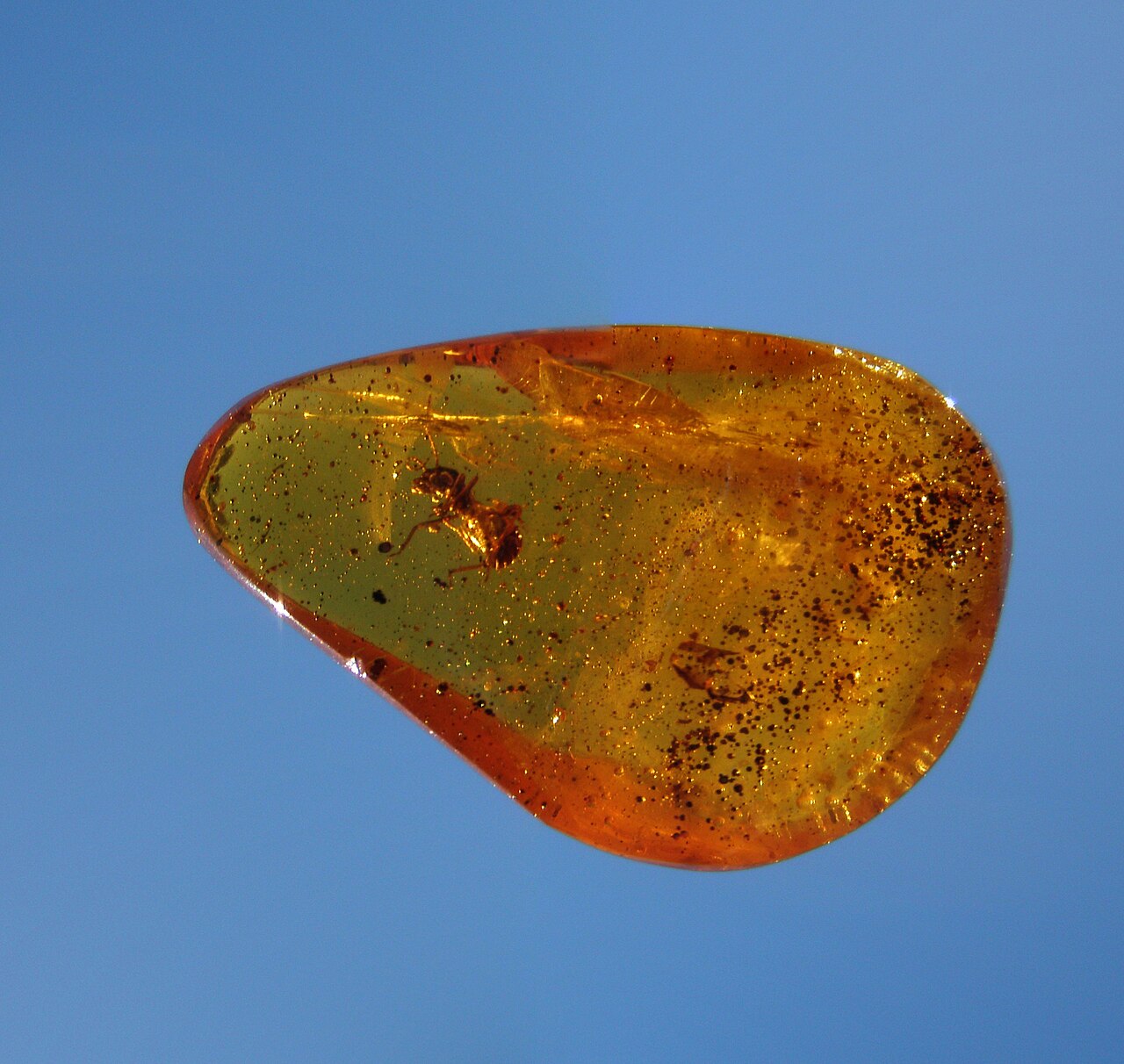
Ants trace their lineage back to stinging wasps, a connection that became unmistakable when E. O. Wilson and colleagues identified the fossil Sphecomyrma in 1966. Trapped in amber roughly 92 million years old, this Cretaceous specimen displayed features shared with wasps but absent in living ants, offering a tantalising glimpse into the transitional form. The oldest known ant fossils date to the mid-Cretaceous, between 113 and 100 million years ago, belonging to now-extinct stem groups. Modern ant subfamilies only appeared toward the close of the Cretaceous, around 80 to 70 million years ago, and the group surged in diversity during the Angiosperm Terrestrial Revolution, achieving ecological dominance roughly 60 million years ago. A 2013 study positioned ants as a sister group to the Apoidea, while Fernández and colleagues in 2021 proposed that the common ancestor of ants and apoids may have existed as far back as the late Jurassic. By the Oligocene and Miocene, ants constituted 20 to 40 percent of all insects in major fossil deposits, and as many as 92 percent of genera found in Dominican amber fossils persist to the present day.
The Superorganism: Colony Life and Social Architecture
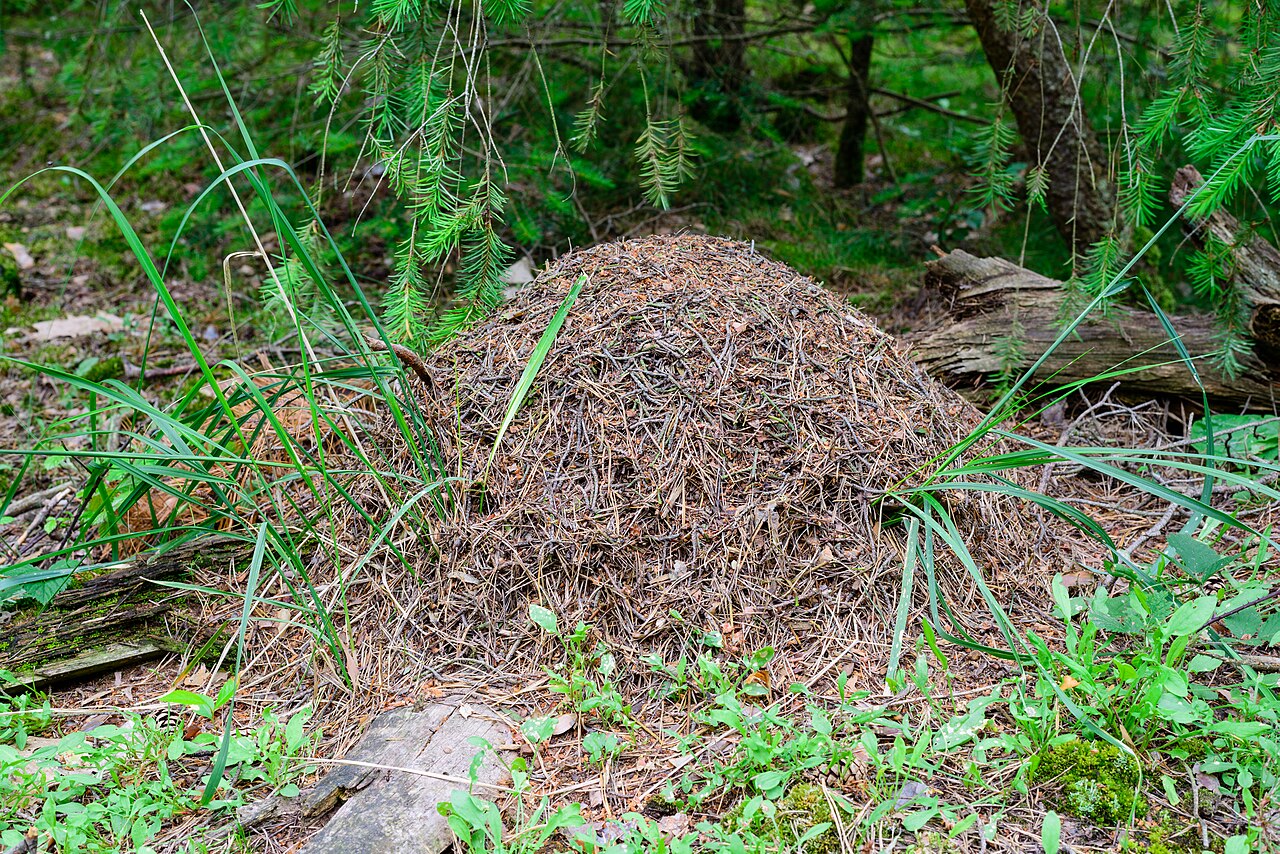
Few creatures on Earth organise their social lives as intricately as ants. A single colony can range from a modest gathering of a few dozen individuals sheltering in a small natural cavity to a sprawling super-colony housing hundreds of millions of members across vast territories. Within these societies, strict castes divide the labour: the vast majority of sterile, wingless females serve as workers (ergates), while specialised soldiers (dinergates) and other functional groups handle defence and additional tasks. Nearly every colony also maintains a small complement of fertile males, known as drones, alongside one or more reproductive queens (gynes). What makes this arrangement remarkable is the collective intelligence it produces. Ant societies exhibit genuine division of labour, sophisticated communication between individuals, and a demonstrated capacity to solve complex problems. Researchers and observers have long noted the parallels between ant colonies and human societies, and the term 'superorganism' captures the sense in which each ant appears to function as a single cell in a vast, unified body working toward the colony's survival.
Planetary Pioneers: Distribution and Ecological Reach
Ants have achieved a near-continental presence that few other animal groups can match. They have colonised virtually every landmass on the planet, with the sole exceptions being Antarctica and a handful of remote, inhospitable islands. In moist tropical ecosystems their abundance is staggering, and in some regions their collective biomass may surpass that of all wild birds and mammals combined. This extraordinary success is generally attributed to their social organisation, their talent for reshaping habitats, their skill at tapping into diverse resources, and their capacity to defend themselves and their nest. Over millions of years of co-evolution with other species, ants have woven themselves into an intricate web of mimetic, commensal, parasitic, and mutualistic relationships. Yet this same adaptability can turn against human interests. Species such as the red imported fire ant, Linepithema humile, Wasmannia auropunctata, Anoplolepis gracilipes, and Pheidole megacephala have become invasive in regions where they were accidentally introduced, establishing footholds that disrupt local ecosystems and complicate agriculture.
Names, Uses, and the Human-Ant Relationship
The very word we use for these insects carries a surprisingly old etymology. English 'ant' descends through Middle English ante and emete from Old English ǣmette, all tracing back to a West Germanic root whose original meaning was simply 'the biter,' built from a Proto-Germanic prefix meaning 'off, away' plus a root meaning 'cut.' The scientific family name Formicidae comes from the Latin formīca, which in turn seeded the Romance-language words: Portuguese formiga, Italian formica, Spanish hormiga, Romanian furnică, and French fourmi. The dedicated field of ant study, myrmecology, borrows from the Ancient Greek mýrmēx. Beyond nomenclature, ants occupy a complex place in human culture. Many societies incorporate them into cuisine, traditional medicine, and ceremonial rites, while others value certain species as biological pest-control agents. Conversely, ants can damage crops and invade buildings, placing them in direct conflict with human communities and underscoring the double-edged nature of their resource-exploiting abilities.
Gallery

Frequently Asked Questions
What is an Ant in the invertebrate canon?
Ants are eusocial insects placed in the family Formicidae under the order Hymenoptera, sharing a close evolutionary lineage with wasps and bees. They trace their origins back to vespoid wasp ancestors that first appeared during the Cretaceous period.
What are Ant's signature abilities or traits?
Ants are renowned for their collective engineering, habitat modification, resource tapping, and coordinated group defense. Their eusocial structure lets a colony operate as a single superorganism with specialized castes handling foraging, brood care, and protection.
Where do Ants live, and how many are there?
Ants have spread across nearly every terrestrial habitat on the planet, with the only notable absences being Antarctica and a few isolated, inhospitable islands. Their estimated global population as of 2022 stands at roughly twenty quadrillion individuals.
Why are Ants considered so important to the invertebrate world?
Ants have long served as a model organism for studying cooperation, division of labor, and ecosystem engineering because their social parallels with human societies make them endlessly relatable. Their sheer biomass and ecological influence make them a keystone presence in most land ecosystems.
How long have Ants been around in the canon timeline?
Ants have existed on Earth for well over one hundred million years, having diverged from their wasp-like ancestors during the Cretaceous. That deep evolutionary head start is a major reason they dominate so many terrestrial niches today.
More in Invertebrates 1-24
Elsewhere in the Invertebrates universe
Spotted an error? Know more?
This is a living reference — every entry is fact-audited, and reader corrections feed straight into our audit queue. Suggest an edit · See this site's audit record