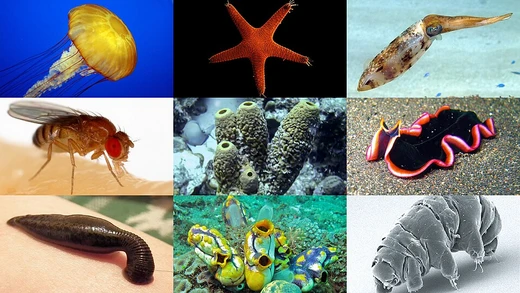
Eurypterid
Extinct marine arthropods that included the largest arthropods ever.

James St. John · CC BY 2.0
Eurypterids, often informally called sea scorpions, are a group of extinct marine arthropods that form the order Eurypterida.
- Largest species
- Jaekelopterus, up to 2.5 meters (8.2 ft)
- Smallest species
- Alkenopterus, 2.03 centimeters (0.80 in)
- Habitat
- Marine, brackish, and fresh water; some may have tolerated short terrestrial periods
- Key fossil locations
- North America and Europe (Laurasia), with some cosmopolitan genera
Lore & Background
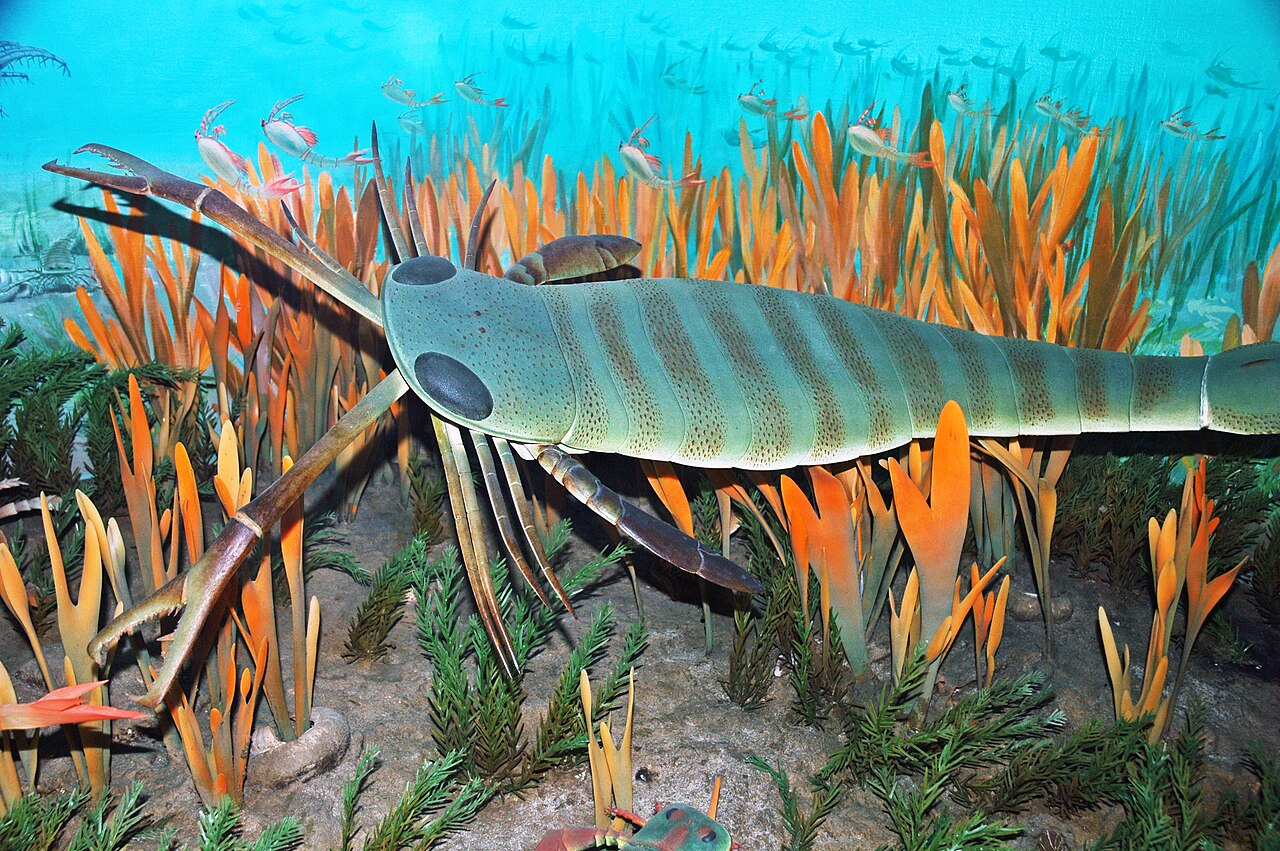
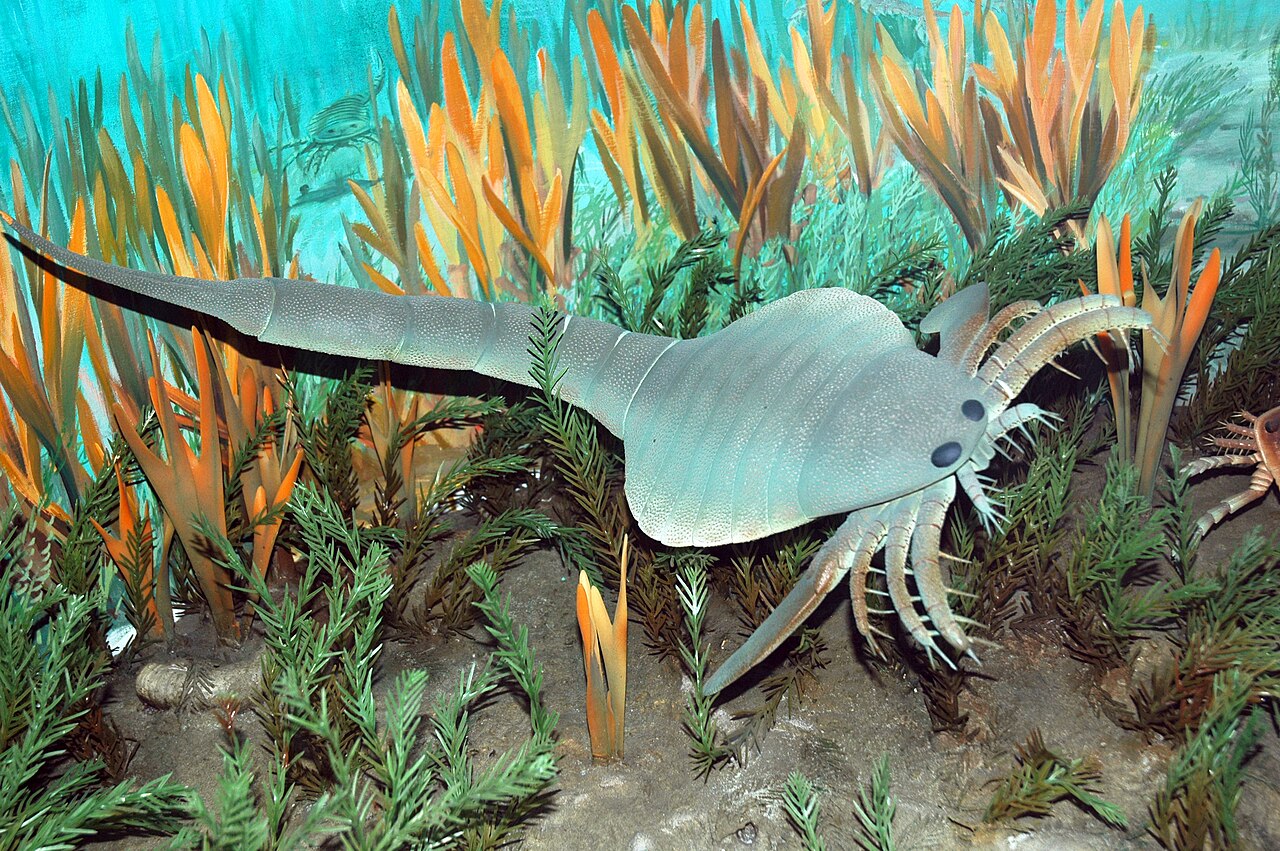
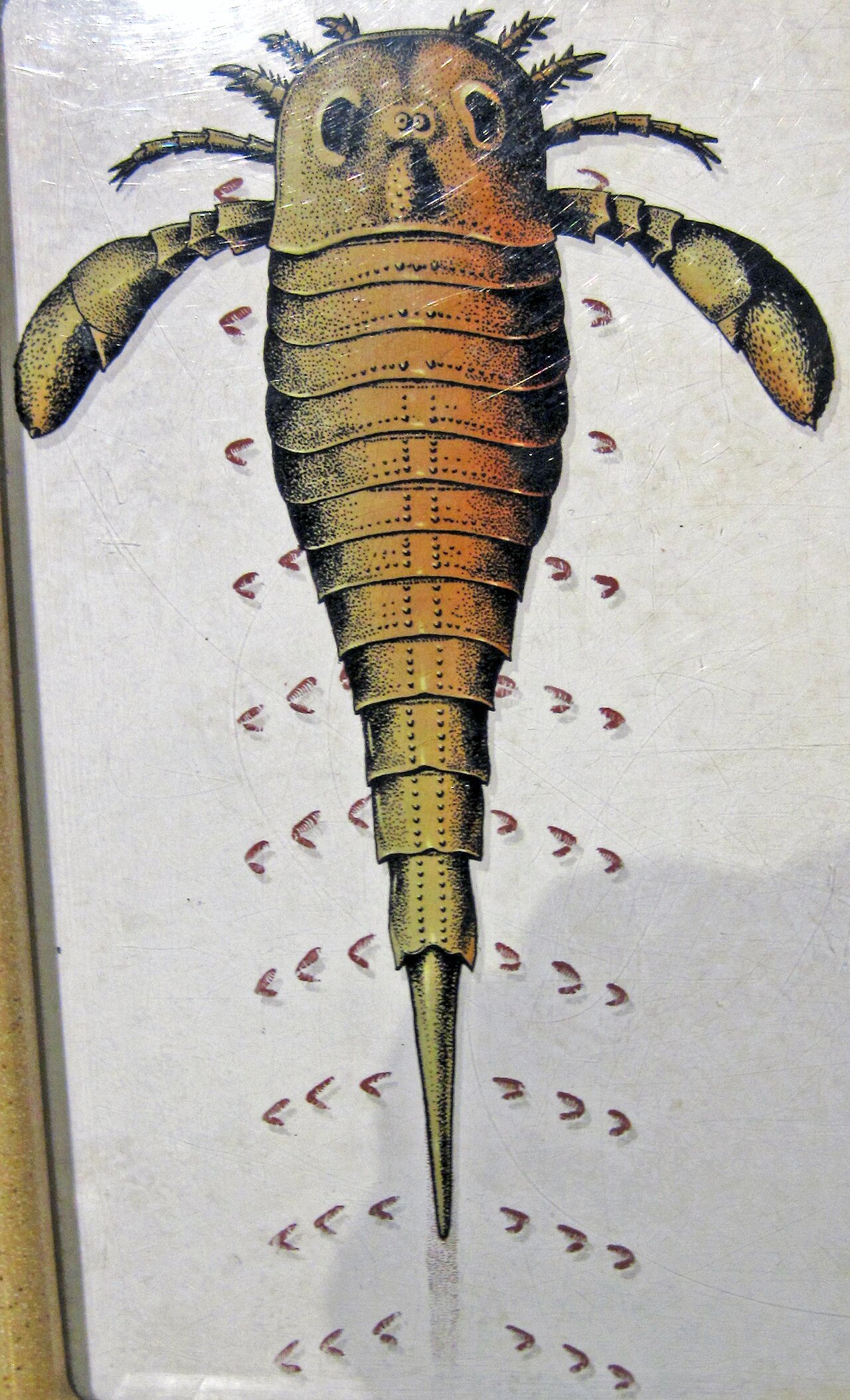
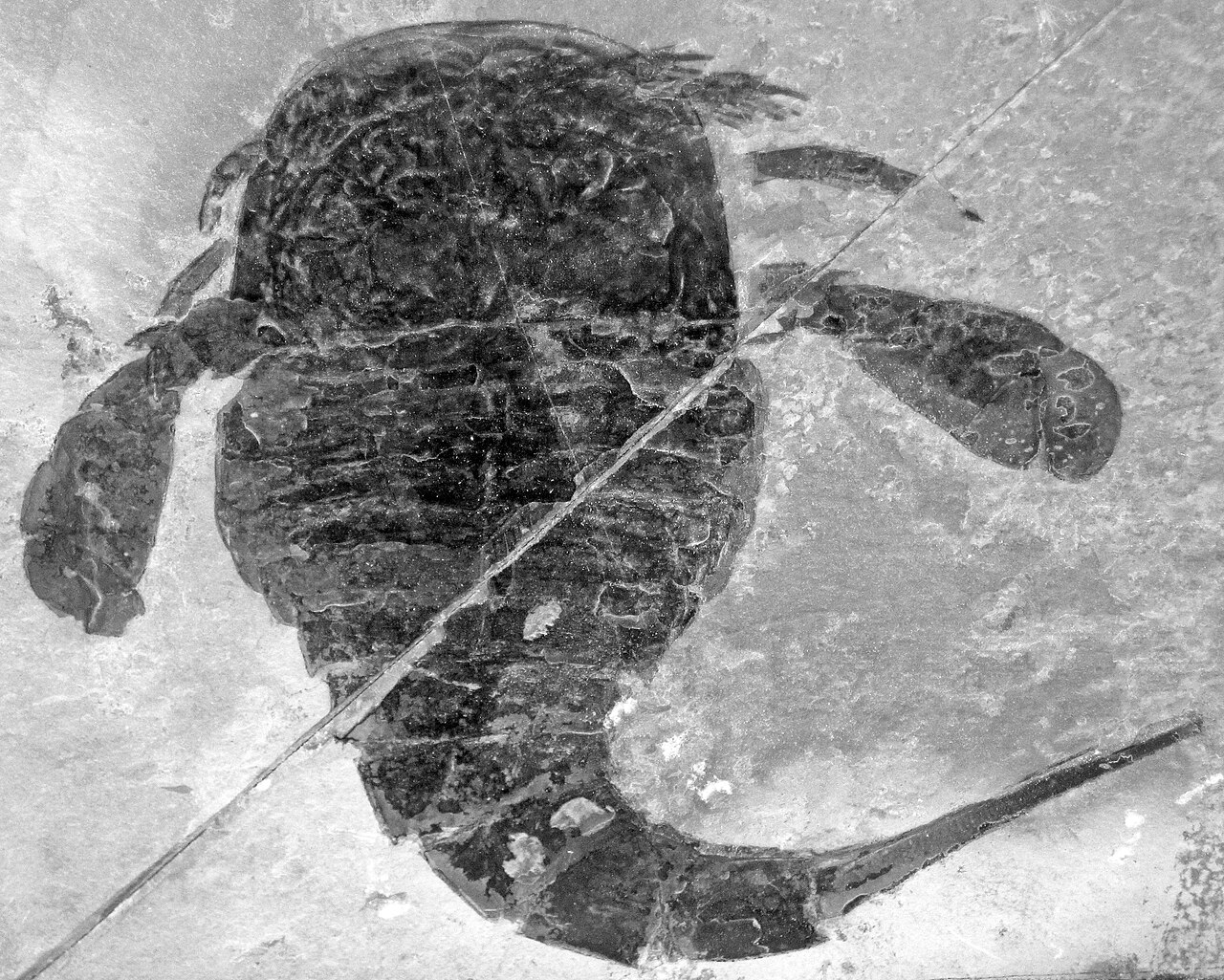
Eurypterids possessed segmented bodies and jointed appendages covered in a cuticle of proteins and chitin. Like other chelicerates, their body was divided into a frontal prosoma (head) and posterior opisthosoma (abdomen). The prosoma bore six pairs of appendages, the first being chelicerae used to manipulate food. In the suborder Eurypterina, the sixth pair was modified into a swimming paddle. The opisthosoma typically comprised 12 segments plus a telson, though the number varied among species. The telson took various forms—flattened as a rudder in some lineages, or elongated and spike-like in others—but there is no definitive evidence that any eurypterid telson was venomous.
Reader's Guide
Eurypterids were major components of marine faunas during the Silurian period, from which the majority of species have been described. The Silurian genus Eurypterus accounts for more than 90% of all known eurypterid specimens. Though they continued to diversify during the Devonian, they were heavily affected by the Late Devonian extinction event. Their fossils have been recovered from every continent, but most are from North America and Europe, as the group lived primarily around the ancient supercontinent of Laurasia. Only a few genera, such as Adelophthalmus and Pterygotus, achieved a cosmopolitan distribution. The dual respiratory system suggested by some studies would have allowed short periods in terrestrial environments.
Did You Know?
- The largest eurypterid, Jaekelopterus, reached 2.5 meters (8.2 ft) in length, making it the largest known arthropod ever.
- The smallest eurypterid, Alkenopterus, was only 2.03 centimeters (0.80 in) long.
- The name Eurypterida comes from Ancient Greek for 'wide, broad' and 'wing', referring to the wide swimming appendages.
- Only the earliest eurypterids were marine; many later forms lived in brackish or fresh water.
Deep Time: A Paleozoic Dynasty
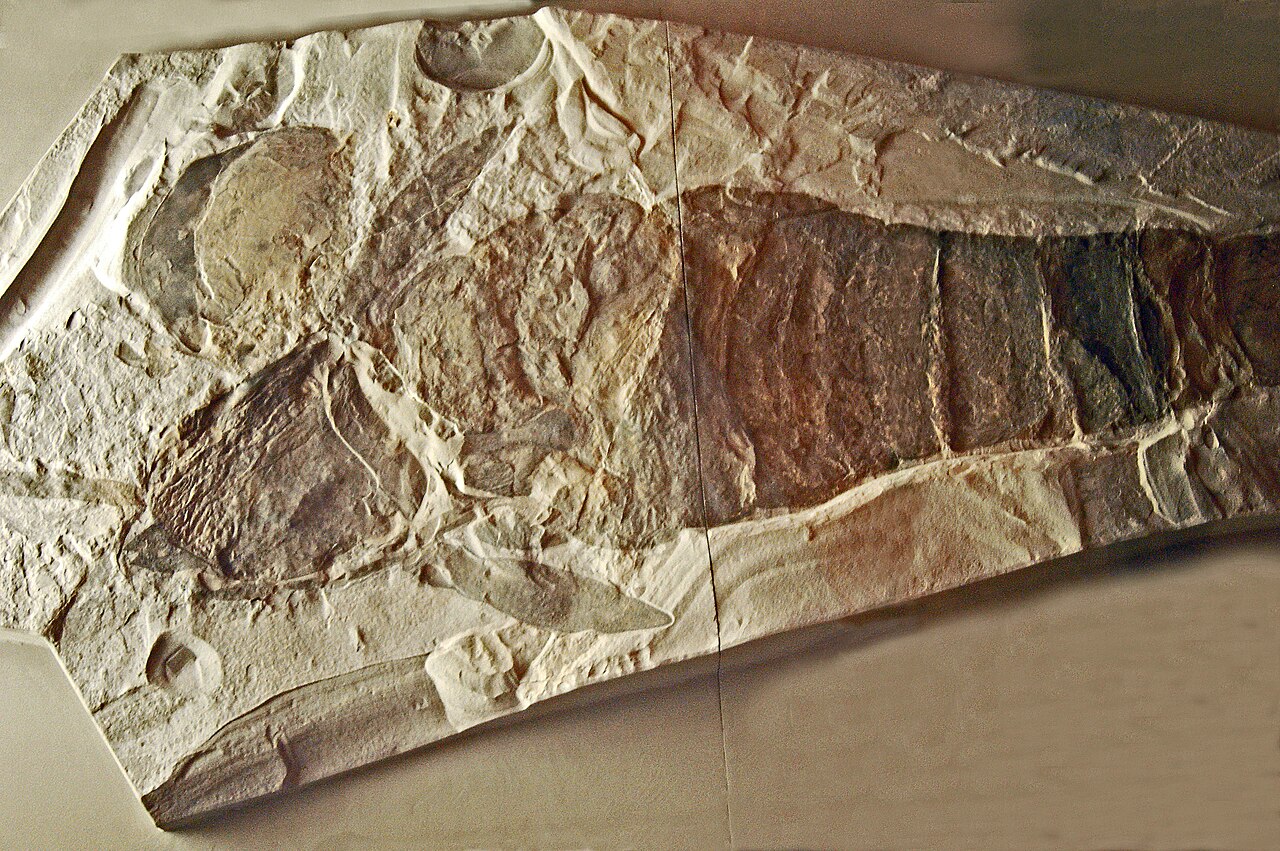
Eurypterids represent one of the most remarkable success stories in early animal history. Their lineage likely first emerged during the Late Cambrian, though the oldest confirmed fossils come from the Tremadocian stage of the Ordovician, roughly 480 million years ago. From that origin, the group exploded into the most diverse chelicerate order of the entire Paleozoic, accumulating around 250 described species. The Silurian proved to be their golden age: eurypterids became dominant members of marine ecosystems, and the genus Eurypterus alone accounts for over ninety percent of all known specimens. The Devonian brought further diversification, but the Late Devonian extinction event dealt a severe blow, thinning their ranks considerably. During the Permian, eurypterids continued to decline in both numbers and variety. Precisely when they vanished remains debated among paleontologists—some place their final extinction in the early Middle Permian, while others argue they persisted until the catastrophic Permian–Triassic boundary event 251.9 million years ago.
A Blueprint of Segments and Paddles
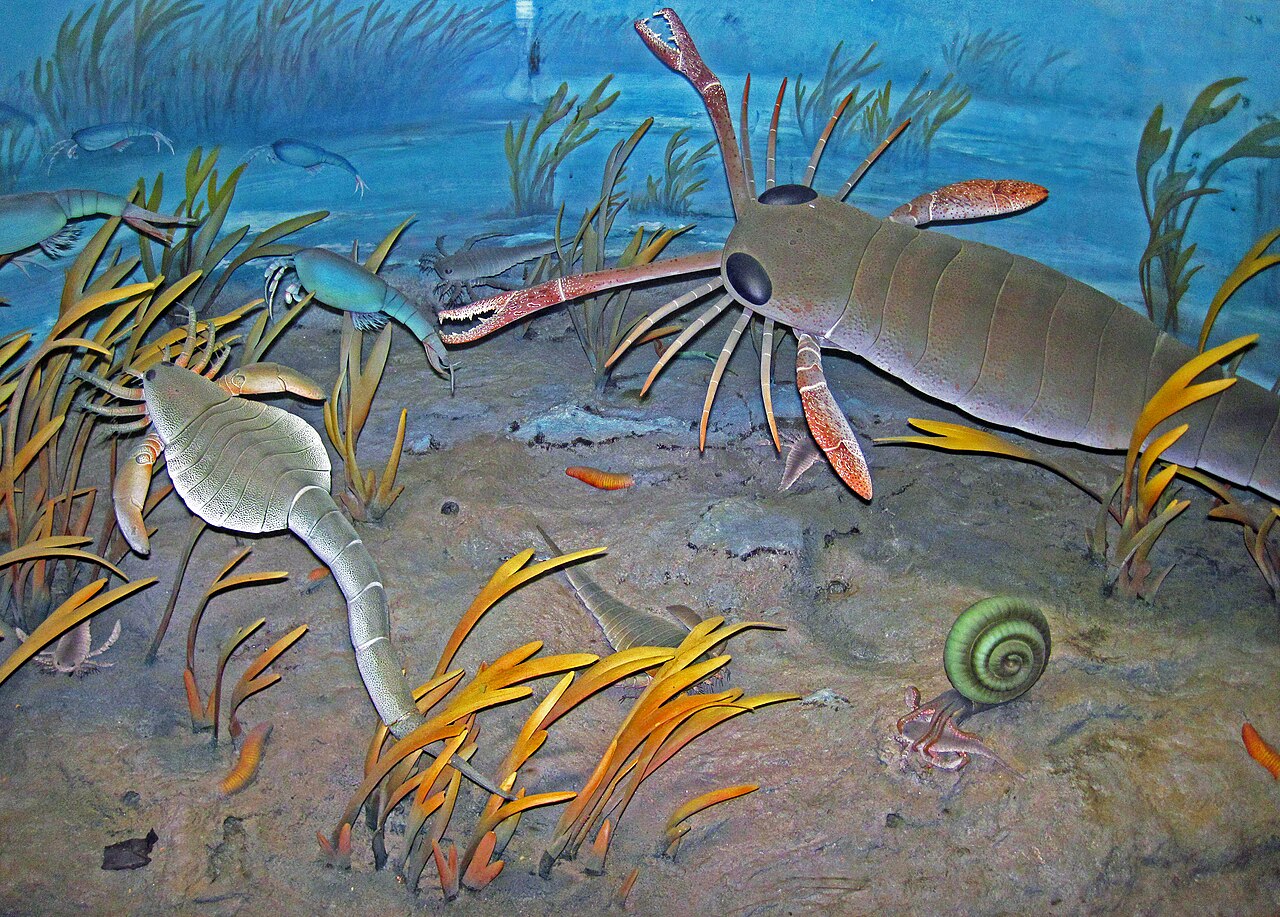
The body plan of eurypterids follows the classic arthropod template of segmented construction and jointed limbs encased in a protein-and-chitin cuticle. Their bodies split into two major sections: a frontal prosoma capped by a broad carapace bearing compound eyes and simple ocelli, and a posterior opisthosoma built from twelve segments plus a terminal telson. The prosoma carried six pairs of appendages. The first pair, the chelicerae, sat ahead of the mouth and functioned as small pincers for shoving food inward; in the Pterygotidae, however, these grew into large, toothed claws. Pairs two through six served primarily as walking legs, cylindrical and sometimes spined, with tooth-plates on their basal segments for processing food. In the Eurypterina suborder, the sixth pair was reshaped into a broad swimming paddle. The opisthosoma's telson varied dramatically: blade-like in most species, flattened into a rudder in groups like the Pterygotioidea, and in the genus Eusarcana it resembled a true scorpion's stinger, possibly capable of delivering venom.
From Tiny to Titanic: Scale and Spread
One of the most striking facts about eurypterids is the sheer range of their body sizes. The order encompasses the largest arthropods ever known, with Jaekelopterus stretching to an astonishing 2.5 meters. Yet most species were far more modest, typically under 20 centimeters, and the tiniest member, Alkenopterus burglahrensis, measured a mere 2.03 centimeters. Sizes around 100 centimeters were common across many groups, suggesting that medium was the norm rather than the exception. Geographically, eurypterid fossils have been recovered from every continent on Earth. The overwhelming majority, however, come from North American and European sites, reflecting the group's primary habitation in the seas surrounding the ancient supercontinent Laurasia. Only a small number of lineages managed to spread beyond Euramerica. A few genera, notably Adelophthalmus and Pterygotus, achieved a truly cosmopolitan presence, with their remains found on every inhabited landmass, testifying to their extraordinary capacity for dispersal across the Paleozoic world's oceans.
Breathing Two Worlds
Despite the popular nickname sea scorpion, eurypterids were neither exclusively marine nor true scorpions. Only the earliest members were strictly ocean-dwellers; many later forms inhabited brackish estuaries or freshwater environments. Evidence points to a dual respiratory system that may have permitted brief forays onto land. The underside of the opisthosoma was lined with plate-like structures called Blattfüsse, derived from modified abdominal appendages, which created a gill chamber for underwater respiration—functionally similar to the organs in modern horseshoe crabs. Additionally, oval or triangular organs termed Kiemenplatten on the second through sixth abdominal segments appear to have facilitated air breathing. This two-pronged respiratory architecture would have given eurypterids remarkable ecological flexibility, allowing them to exploit both submerged and, at least temporarily, aerial oxygen. The very name Eurypterida, drawn from Greek words meaning wide and wing, honors the broad swimming appendages that made aquatic locomotion so efficient for these ancient arthropods.
Gallery
Frequently Asked Questions
What are eurypterids?
Eurypterids are an extinct order of marine arthropods (Eurypterida) that the public often calls "sea scorpions," though they are not true scorpions. They represent one of the most diverse groups of prehistoric arthropods, spanning from the Ordovician through the Permian.
How big could eurypterids get?
Their size range is staggering: the largest known species, Jaekelopterus, stretched to roughly 2.5 meters (about 8.2 feet), while the tiniest, Alkenopterus, was only around 2 centimeters long. This makes eurypterids the largest arthropods ever recorded in the fossil record.
Where did eurypterids live?
They thrived in marine, brackish, and freshwater habitats, and a few lineages may have briefly tolerated short excursions onto land. Their ability to occupy multiple water types made them one of the most ecologically flexible arthropod groups of the Paleozoic.
Where are eurypterid fossils most commonly found?
The richest and most diverse deposits come from the ancient supercontinent Laurasia, particularly across North America and Europe. A handful of genera, however, appear to have had a more cosmopolitan range, showing up in fossil sites on other former landmasses as well.
Are eurypterids actually related to scorpions?
Despite the popular "sea scorpion" nickname, eurypterids form their own distinct order, Eurypterida, and are not true scorpions. They are chelicerates, sharing a deep common ancestor with scorpions, spiders, and horseshoe crabs, but they diverged into a separate lineage long before scorpions evolved.
More in Invertebrates 25-40
Elsewhere in the Invertebrates universe
Spotted an error? Know more?
This is a living reference — every entry is fact-audited, and reader corrections feed straight into our audit queue. Suggest an edit · See this site's audit record