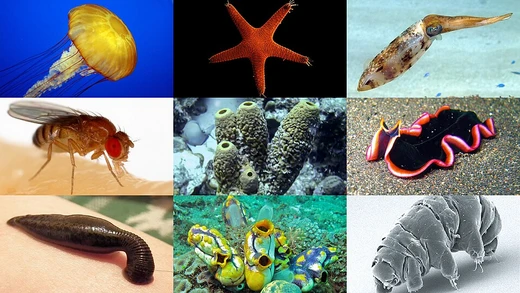
Flatworm
Simple bilaterian invertebrates with flattened bodies and no body cavity.

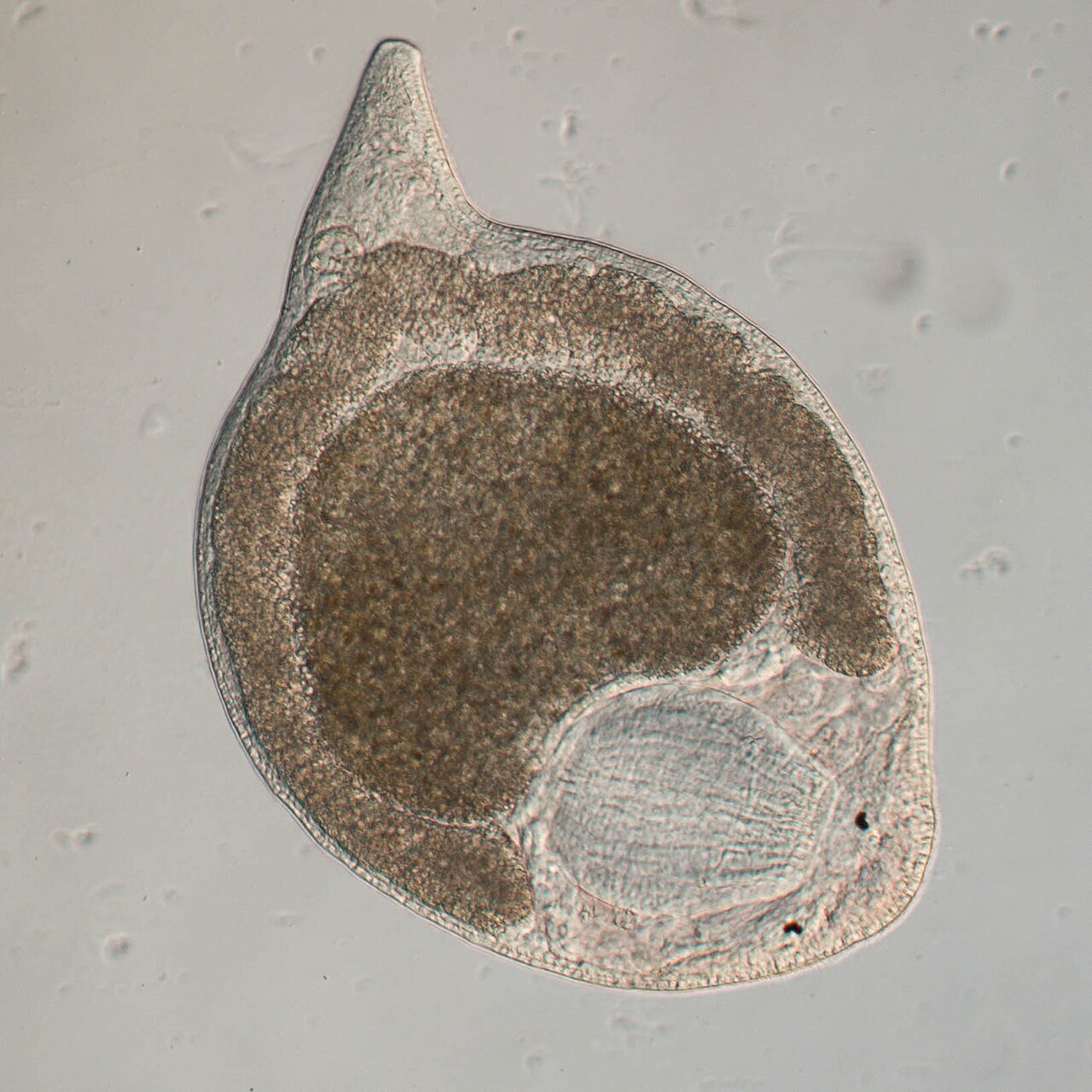
Mesostoma · CC BY-SA 4.0
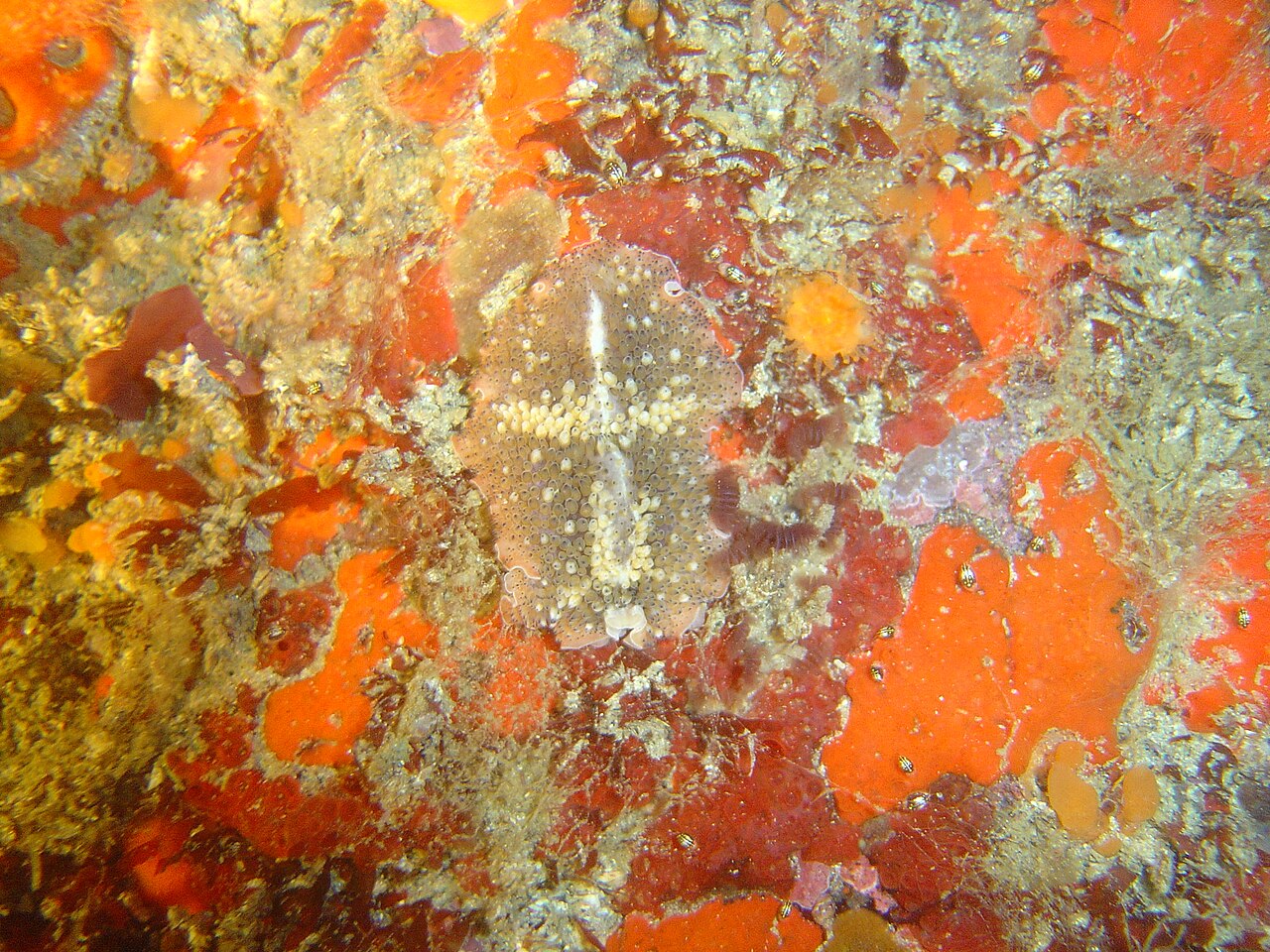
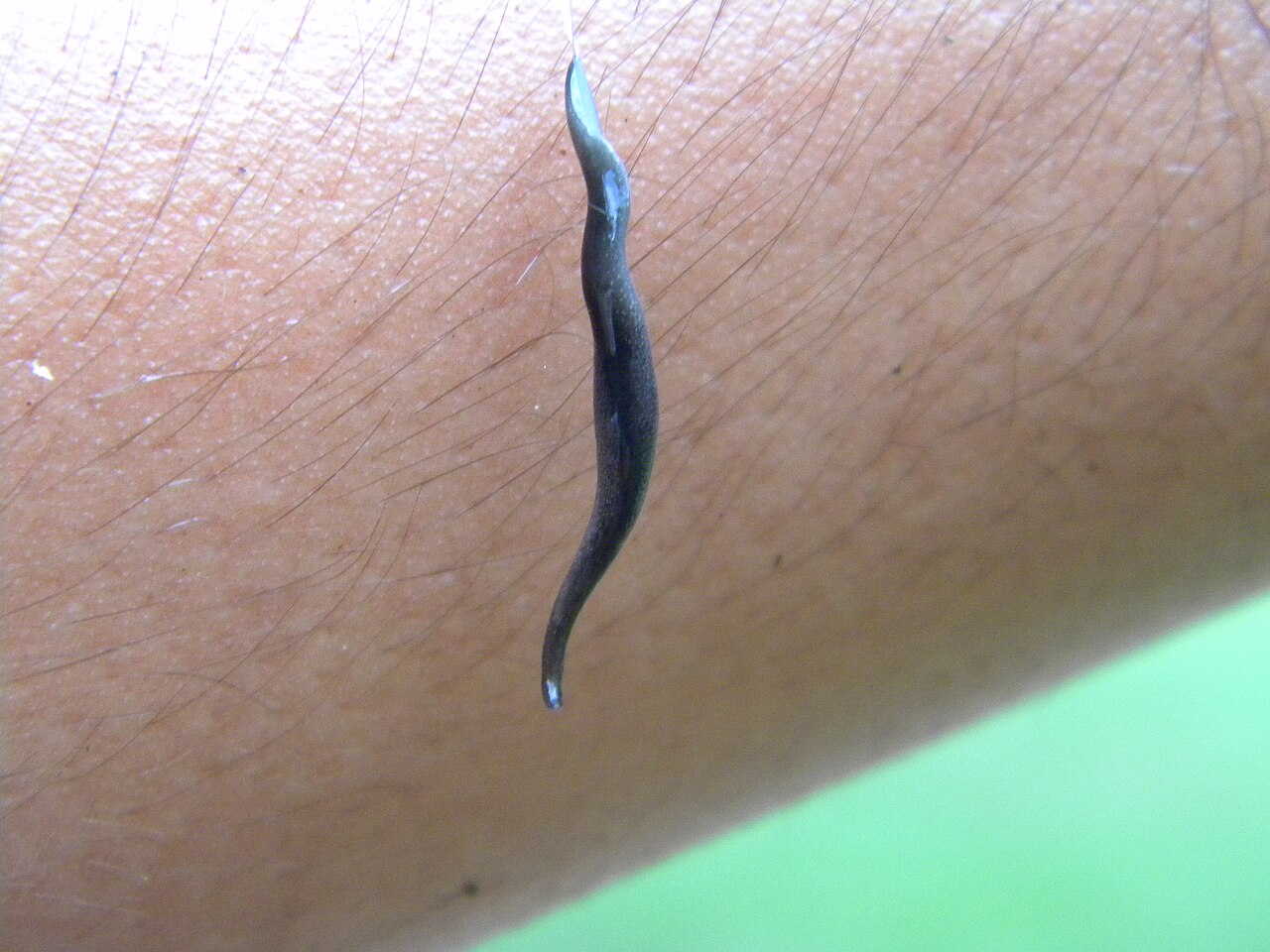
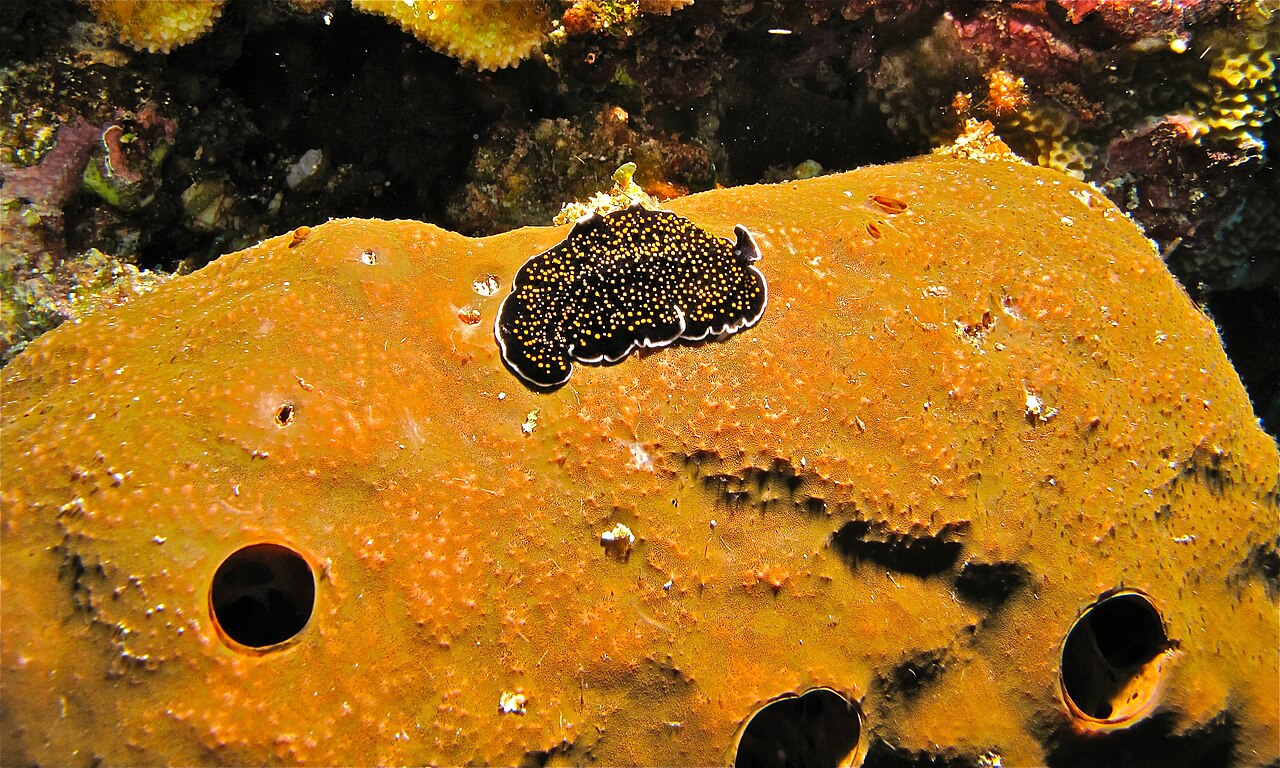
Platyhelminthes, commonly called flatworms or flat worms, are a phylum of relatively simple bilaterian, unsegmented, soft-bodied invertebrates. They are acoelomates, lacking a body cavity and specialized circulatory and respiratory organs, which restricts them to flattened shapes that allow oxygen and nutrients to diffuse through their bodies. Their digestive cavity has only one opening for both ingestion and egestion, preventing continuous food processing. Historically regarded as a primitive stage in bilaterian evolution, they have been redefined based on modern analyses, with the Acoelomorpha now separated as basal bilaterians, while the remaining Platyhelminthes form a monophyletic group within the Spiralia.
- phylum
- Platyhelminthes
- common_name
- Flatworm
- distinguishing_features
- Bilaterally symmetrical, three cell layers, acoelomate, no circulatory or respiratory organs, soft and unsegmented body
- traditional_subgroups
- Turbellaria, Cestoda, Trematoda, Monogenea
- modern_classification
- Catenulida and Rhabditophora (excluding Acoelomorpha)
- habitat
- Marine, freshwater, moist terrestrial environments, and as parasites
Lore & Background
Flatworms are defined more by what they lack than by specializations. They have no internal body cavity, no specialized circulatory or respiratory organs, and most have no anus, regurgitating undigested material through the mouth. Their bodies are soft and unsegmented, and their space between skin and gut is filled with mesenchyme, a connective tissue containing fixed cells and stem cells used in regeneration. Respiration occurs through the whole body surface, making them vulnerable to fluid loss and restricting them to moist environments or parasitic lifestyles.
Reader's Guide
Flatworms have significance in evolutionary biology as historically considered primitive bilaterians, though modern analyses since the mid-1980s have redefined the group by separating Acoelomorpha as basal bilaterians. The remaining Platyhelminthes are now placed within Spiralia, a major group of Protostomia. Their simple body plan, lack of coelom, and reliance on diffusion for oxygen and nutrients illustrate constraints on animal form and function. In practical terms, some flatworms have been used in biological control attempts, such as a planarian species introduced in the Philippines and Maldives to control giant African snails, but these efforts were temporary and the planarians themselves became invasive threats to native snails. The New Zealand planarian Arthurdendyus triangulatus also raises concerns in Northwestern Europe for preying on earthworms. Their classification remains disputed, with the traditional subgroup Turbellaria now considered paraphyletic.
Did You Know?
- Flatworms have no specialized circulatory or respiratory organs; oxygen and nutrients diffuse through their flattened bodies.
- Most flatworms have no anus and regurgitate undigested material through the mouth.
- The traditional subgroup Turbellaria is now considered paraphyletic because it excludes the wholly parasitic groups descended from one group of turbellarians.
Taxonomic Placement and the Protostome Lineage
Flatworms occupy a position within the vast monophyletic clade Protostomia, a grouping that also encompasses arthropods, molluscs, and annelids. In the broader catalog of animal life, they are catalogued under the phylum Platyhelminthes, which appears among the most widely recognized invertebrate lineages alongside Porifera, Nematoda, and Echinodermata. However, the label "invertebrate" that often accompanies their classification carries no formal taxonomic weight. It is, as the zoological literature acknowledges, a term of convenience rather than a valid taxon in the way that Arthropoda or Vertebrata are. In a strictly cladistic framework, the presence or absence of a vertebral column is a relatively shallow criterion; more fundamental attributes such as the existence of a notochord, embryological developmental patterns, or overall body symmetry would logically take precedence in constructing a meaningful phylogenetic tree. Flatworms, lacking any vertebral column, fall squarely outside the chordate subphylum Vertebrata, yet the grouping they share with all other non-vertebrate animals is paraphyletic and thus carries limited circumscriptional significance in formal taxonomy.
Physiology and Body Architecture
As members of the animal kingdom, flatworms are obligate heterotrophs, meaning they must obtain sustenance by consuming other organisms rather than producing their own food. Their bodies are composed of differentiated tissues, a trait shared by nearly all invertebrates with the notable exception of sponges. A typical digestive chamber with one or two external openings is a common feature across this group. Unlike vertebrates, flatworms possess no bony skeleton of any kind, whether internal or external. Instead, many invertebrates of similar body form rely on fluid-filled hydrostatic skeletons, a structural strategy also seen in worms and jellyfish. In terms of body architecture, most multicellular organisms display some degree of symmetry—radial, bilateral, or spherical—and flatworms fit within this broader pattern of organized form. Their neurons, like those identified across annelids, molluscs, nematodes, and arthropods, fire in response to stimuli such as tissue trauma, temperature shifts, or pH changes, indicating a shared neurophysiological framework among invertebrate lineages.
Scale and Diversity Within the Animal Kingdom
Flatworms exist within a biological context of staggering numerical dominance. Roughly ninety-seven percent of all animal species are invertebrates, a figure that underscores just how small the vertebrate subphylum is by comparison. The IUCN Red List, in its 2014 assessment, estimated approximately 66,178 described extant vertebrate species, which places the invertebrate share of described animal life well above ninety-five percent. Many individual invertebrate taxa boast greater species counts and diversity than the entirety of Vertebrata combined. The physical scale of invertebrate life is equally remarkable, spanning from myxozoans measuring just ten micrometres to the colossal squid reaching nine to ten metres in length. Flatworms, as members of this overwhelmingly dominant side of the animal tree, inherit a context in which their phylum is one of many familiar lineages—Platyhelminthes listed alongside Nematoda, Annelida, Mollusca, and Arthropoda—each contributing to a collective biodiversity that dwarfs the vertebrate world in both number and variety of forms.
The Paraphyletic Problem and the Limits of the Label
The word "invertebrate" derives from the Latin vertebra, itself rooted in verto or vorto, meaning to turn, with the prefix in- signifying absence. Yet this etymologically straightforward label conceals a significant taxonomic awkwardness. The grouping it describes is paraphyletic, meaning it excludes some descendants of a common ancestor—specifically the chordate subphyla Tunicata and Cephalochordata, which are actually more closely related to vertebrates than to other invertebrates. This makes the term taxonomically meaningless in a strict sense. Despite this, the concept of invertebrates as a coherent animal category has persisted for over a century among both the general public and the zoological community, remaining in active use as a practical shorthand. The distinction between invertebrate and vertebrate is, by the standards of the source material, one of convenience only, no more biologically unifying than the shared trait of having wings groups insects, bats, and birds together. For flatworms, this means their identity as "invertebrates" tells us what they lack rather than what they are.
Gallery
Frequently Asked Questions
What is a flatworm?
Flatworms are soft-bodied, unsegmented invertebrates in the phylum Platyhelminthes. They are bilaterally symmetrical with three tissue layers but lack a body cavity, a circulatory system, and dedicated respiratory organs.
Why do flatworms have to be flat?
Because they have no body cavity or specialized organs for circulating blood or breathing, oxygen and nutrients must diffuse directly across their tissues. This limitation forces them into a thin, flattened shape so diffusion can reach every cell.
What are the main groups of flatworms?
Traditionally, flatworms were divided into Turbellaria, Cestoda (tapeworms), Trematoda (flukes), and Monogenea. Modern classification has reorganized them into Catenulida and Rhabditophora, while Acoelomorpha was moved out of the group entirely.
Where can flatworms be found?
They occupy marine, freshwater, and moist terrestrial habitats, and many species live as parasites inside other animals. Their presence spans a wide range of environments despite their simple body plan.
How does a flatworm eat and get rid of waste?
Their digestive cavity has only a single opening that serves as both mouth and anus, so food enters and waste exits through the same point. This means they cannot process a continuous stream of food the way animals with two separate openings can.
More in Invertebrates 25-40
Elsewhere in the Invertebrates universe
Spotted an error? Know more?
This is a living reference — every entry is fact-audited, and reader corrections feed straight into our audit queue. Suggest an edit · See this site's audit record