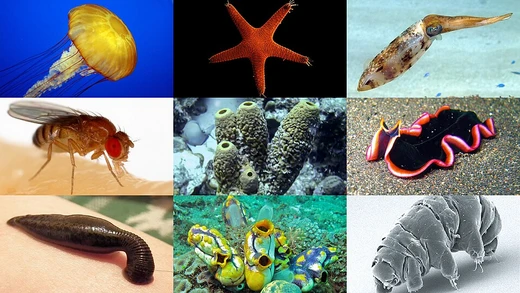
Gastropod
Snails and slugs, the second-most diverse animal class.

Myself · Public domain
Gastropods are a vast and diverse class of invertebrates within the phylum Mollusca, comprising snails and slugs. They inhabit an extraordinary range of environments, including marine, freshwater, and terrestrial ecosystems, and are considered one of evolution's most successful and adaptable animal lineages.
- field
- Invertebrate zoology
- known_for
- Second-largest animal class after insects; includes snails and slugs; exhibit torsion
- oldest_fossil_record
- Late Cambrian
Lore & Background
The word gastropod comes from Greek γαστήρ (gastḗr 'stomach') and πούς (poús 'foot'), a reference to the animal's foot being positioned below its guts. The earlier name 'univalve' means one valve or shell, in contrast to bivalves such as clams. All gastropods undergo torsion during development, a 180° rotation of the visceral mass that is developmentally and evolutionarily linked to shell coiling. While many opisthobranchs later undergo detorsion, they still pass through a torsional stage, so they are not truly 'secondarily untorted' in a way that contradicts the universal presence of torsion. Most shelled gastropods have a one-piece coiled shell, usually opening on the right-hand side, and many have an operculum that acts as a trapdoor. In land slugs, the shell is reduced or absent. Chirality varies: most species are dextral (right-coiled), but sinistral shells are standard in families such as Physidae and most Clausiliidae.
Reader's Guide
Gastropods are a highly successful and adaptable class, second only to insects in diversity. They occupy nearly every habitat on Earth, from deep ocean trenches to deserts, and include marine, freshwater, and terrestrial forms. Their fossil record extends to the Late Cambrian, indicating a long evolutionary history. Their anatomy includes torsion, a well-defined head with tentacles, and a ventral foot. Sensory organs include olfactory organs, eyes, statocysts, and mechanoreceptors, but gastropods have no hearing. Their ecological and evolutionary significance is immense, as they have colonized nearly every available medium and adapted to extreme conditions.
Did You Know?
- Gastropods have no hearing.
- The term 'univalve' refers to a single shell, contrasting with bivalves like clams.
- Some sea slugs are brightly colored as a warning or for camouflage.
Asymmetry as a Defining Trait
All gastropod species stand out in the animal kingdom for their complete lack of bilateral symmetry, placing them among the minority of multicellular organisms that exhibit no recognizable symmetry at all. While most invertebrates display radial, bilateral, or spherical body plans, gastropods break from this pattern entirely. In snails and sea snails, this asymmetry is immediately visible in the helical architecture of their shells, which spiral in a consistent direction. Slugs present a subtler case: to the casual observer they appear externally symmetrical, yet their pneumostome—the breathing opening—is fixed to the right side of the body. Some species push asymmetry even further into visible form; Glaucus atlanticus, for instance, develops lopsided cerata as it matures. Remarkably, the evolutionary origin of this universal gastropod asymmetry remains an open question in science, with researchers still debating how and why it first arose. This makes gastropods a persistent puzzle within the broader study of invertebrate morphology.
Sensory Biology and Neural Response
Gastropods, as members of the mollusc group, possess neurons that respond to a range of physical stimuli. Their cells fire in reaction to tissue trauma, elevated temperatures, and shifts in pH—responses broadly comparable to those seen in mammalian nervous systems. Mollusk neurons are specifically capable of detecting increasing external pressures as well as tissue damage, giving these animals a functional capacity to sense and react to their environment. Perhaps most striking is the evidence of cognitive capability within the group: learning and memory processes mediated by nociceptors have been documented in the sea hare Aplysia, a large gastropod. This finding demonstrates that even within the invertebrate world, where neurons were first identified in organisms like the medicinal leech, molluscs such as gastropods can exhibit forms of associative learning. Neurons have now been confirmed across a wide spectrum of invertebrate taxa, including annelids, nematodes, and arthropods, but the gastropod examples remain particularly instructive for understanding how sensory processing and memory can emerge in animals without a vertebral column.
Taxonomic Position and the Invertebrate Label
Gastropods belong to the phylum Mollusca, which in turn sits within the monophyletic clade Protostomia alongside arthropods, annelids, and flatworms. However, in everyday scientific and public discourse, gastropods are most often discussed under the umbrella term invertebrates—a label that, strictly speaking, carries no formal taxonomic weight. The term is a convenience grouping that simply excludes the chordate subphylum Vertebrata, making it paraphyletic rather than a true clade. Unlike Arthropoda or Vertebrata, Invertebrata does not describe a valid taxon at any rank. The distinction between invertebrates and vertebrates rests solely on the absence or presence of a vertebral column, a criterion that zoologists acknowledge is one of convenience rather than a biologically homologous trait. For gastropods specifically, their classification is better understood through the absence of a notochord, embryological development, and body-plan architecture. Despite this taxonomic imprecision, the invertebrate framework remains the most common lens through which gastropods are contextualized in both literature and public understanding.
Physiology and Ecological Context
Like all animals, gastropods are heterotrophic organisms that must consume other living things to obtain sustenance. Their bodies are composed of differentiated tissues, a feature shared by nearly all invertebrates with the notable exception of sponges. A typical gastropod digestive system includes a chamber with one or two openings to the exterior, facilitating the processing of ingested material. In terms of structural support, gastropods span a range of strategies: snails and sea snails rely on hard outer shells for protection, while slugs lack this external armor and instead depend on softer body structures. This diversity in body construction mirrors the broader invertebrate world, where some species maintain fluid-filled hydrostatic skeletons and others develop rigid exoskeletons. Gastropods also exist within an enormous size spectrum shared by invertebrates generally, which ranges from microscopic myxozoans at ten micrometers to the colossal squid measuring nine to ten meters. As molluscs, gastropods represent one of the most recognizable and widely distributed invertebrate lineages, contributing to the roughly 97 percent of animal species that fall outside the vertebrate subphylum.
Gallery
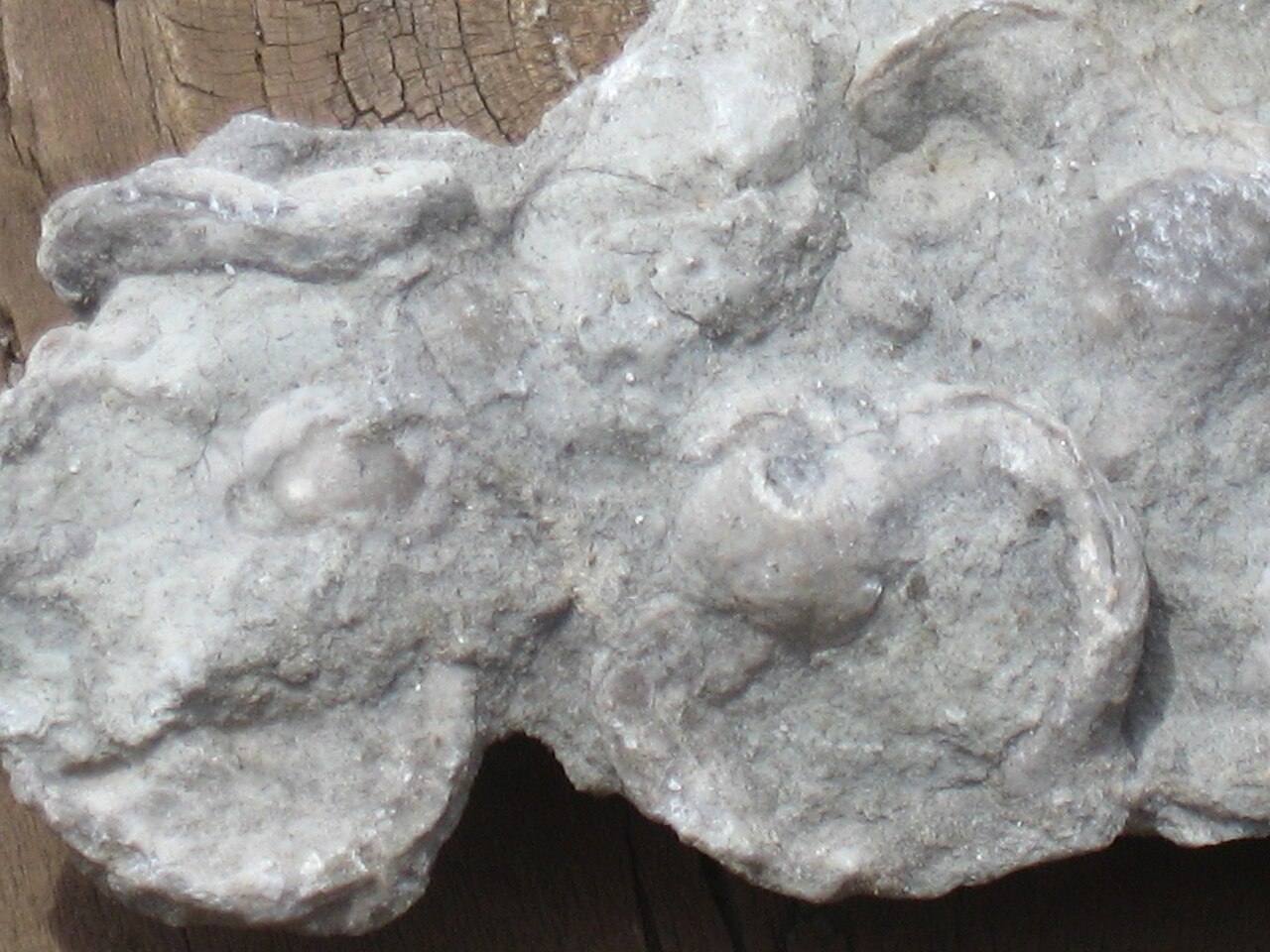
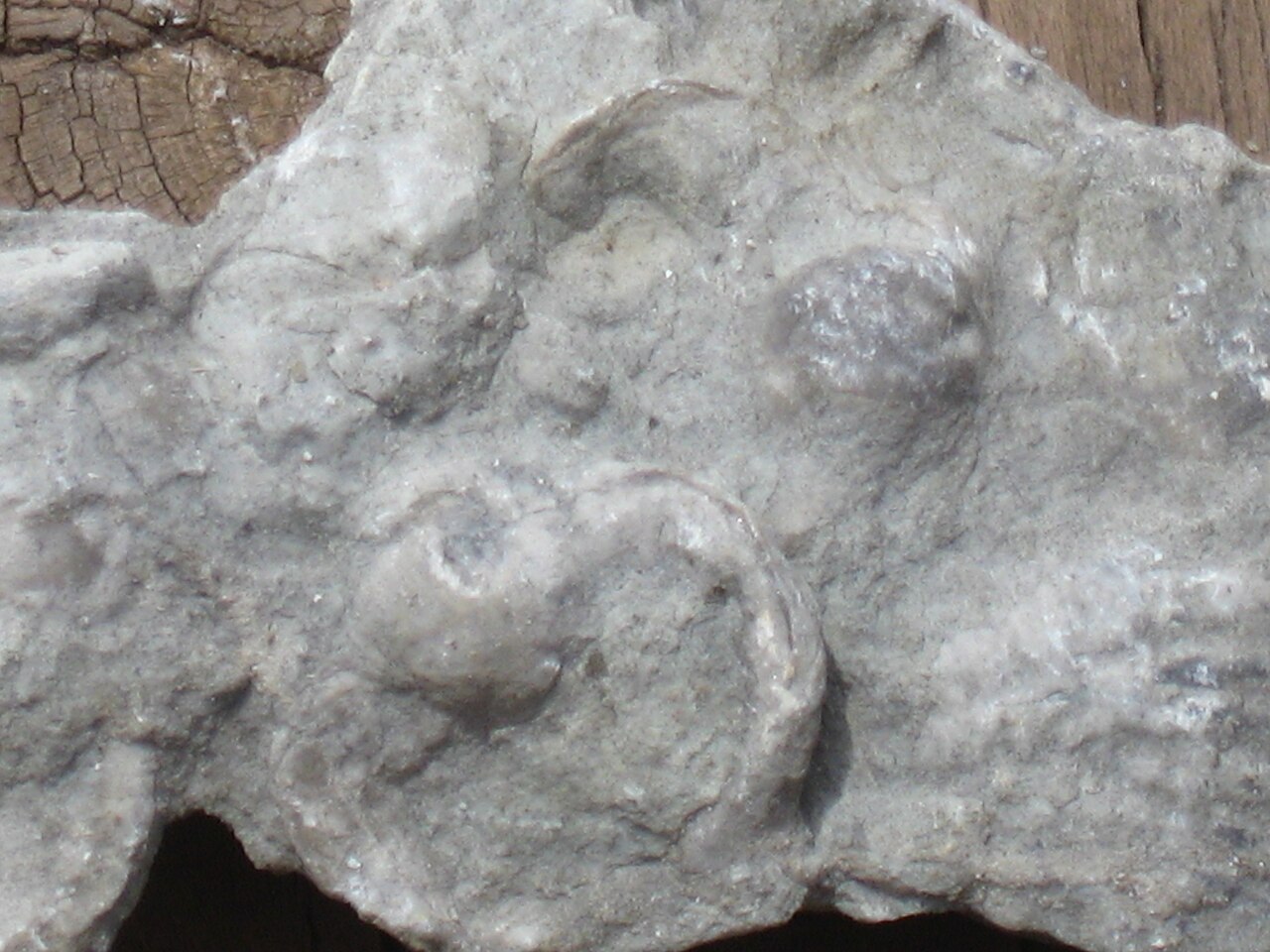
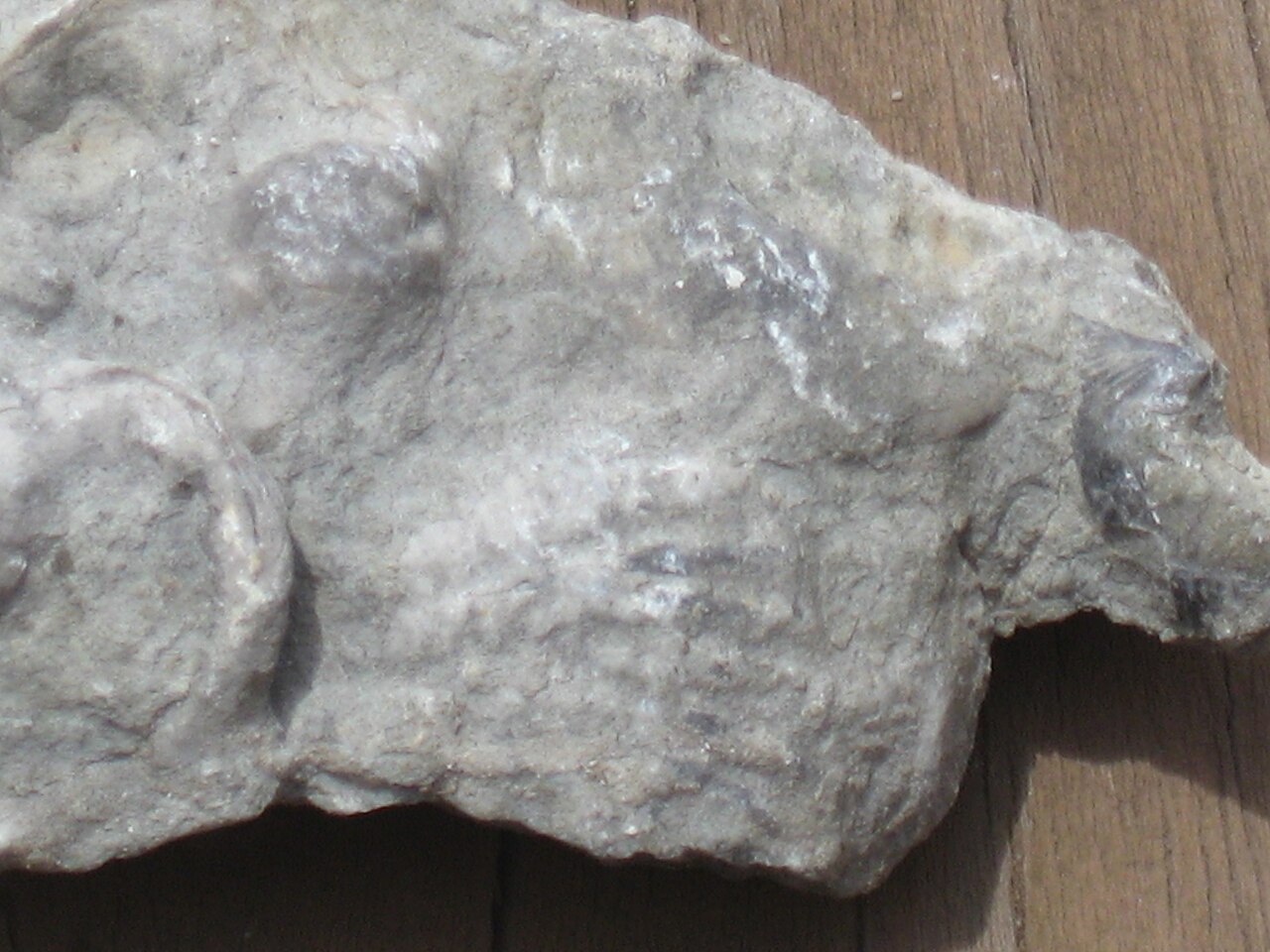
Frequently Asked Questions
What is a gastropod in the invertebrate world?
Gastropods are a class of molluscan invertebrates that encompass every snail and slug species on the planet. They rank as the second-largest animal class, with only insects surpassing them in total species diversity.
What is torsion and why is it a defining gastropod trait?
Torsion is a developmental twist unique to gastropods in which the visceral organ mass rotates during larval growth. This 180-degree reorientation of the internal anatomy is one of the key features that sets them apart from other molluscan classes.
What kinds of habitats do gastropods occupy?
Gastropods are found in marine, freshwater, and fully terrestrial environments, giving them one of the broadest ecological ranges of any invertebrate group. This versatility across water and land is a major driver of their evolutionary success.
How old is the gastropod fossil record?
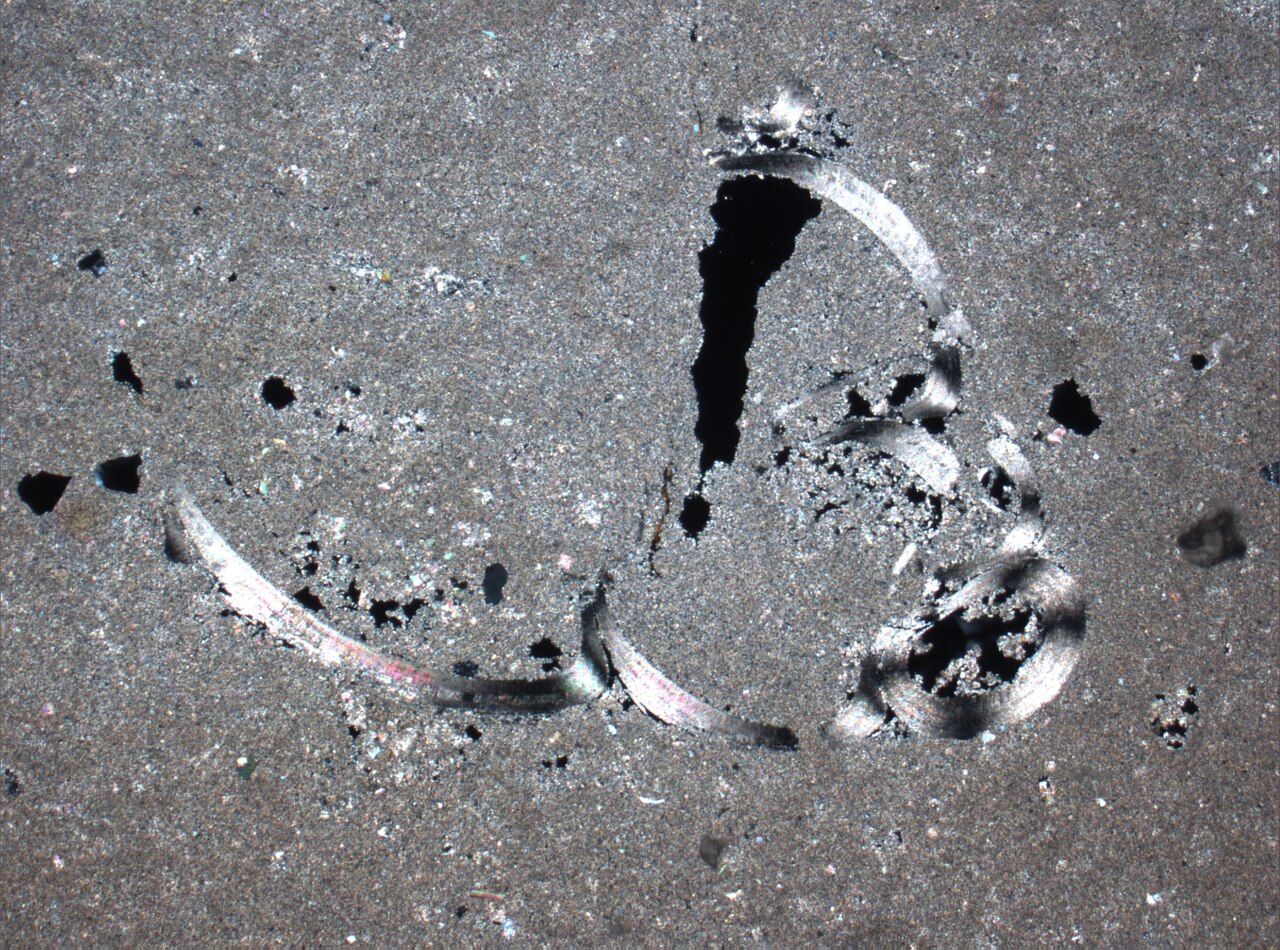
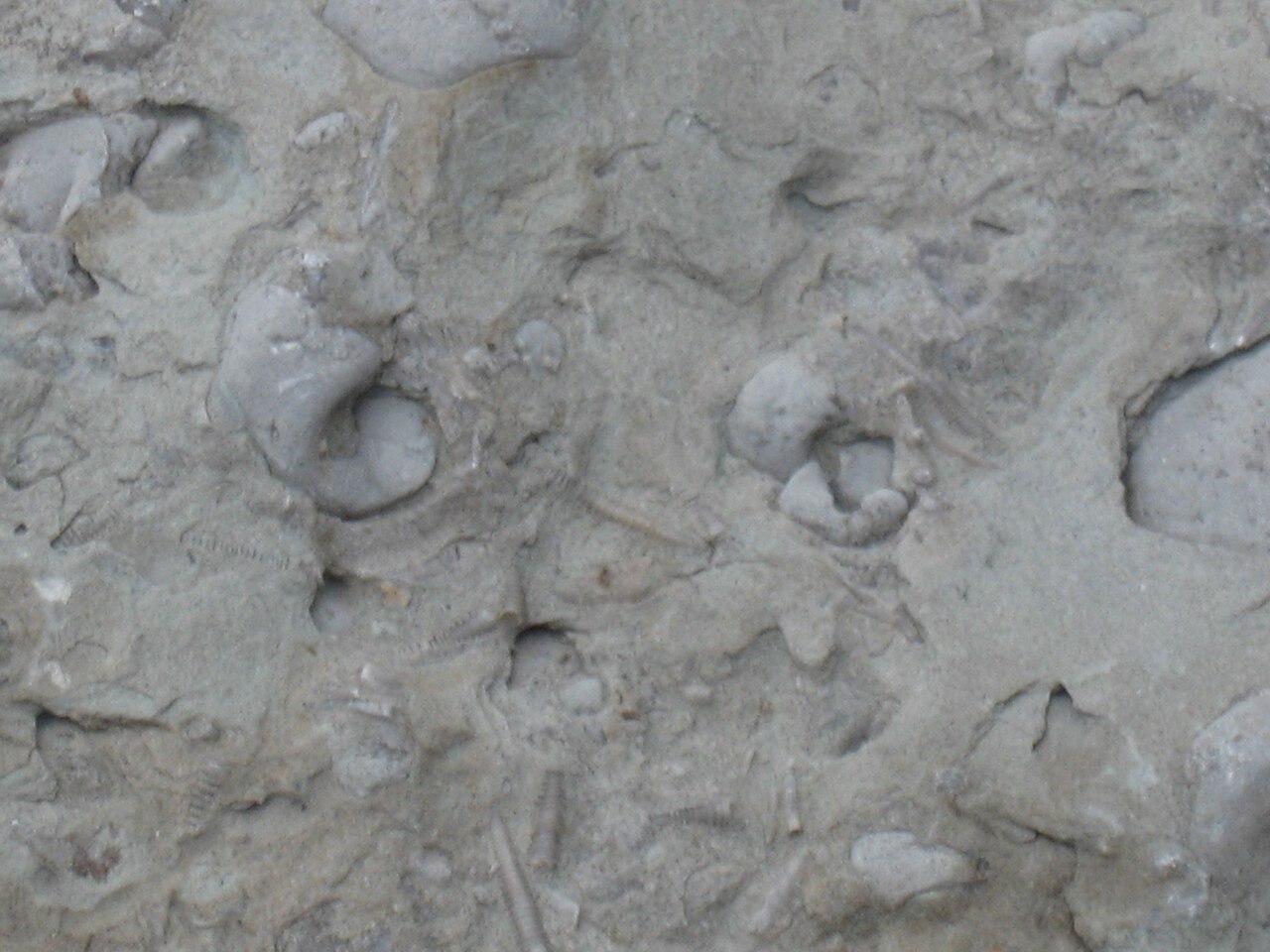
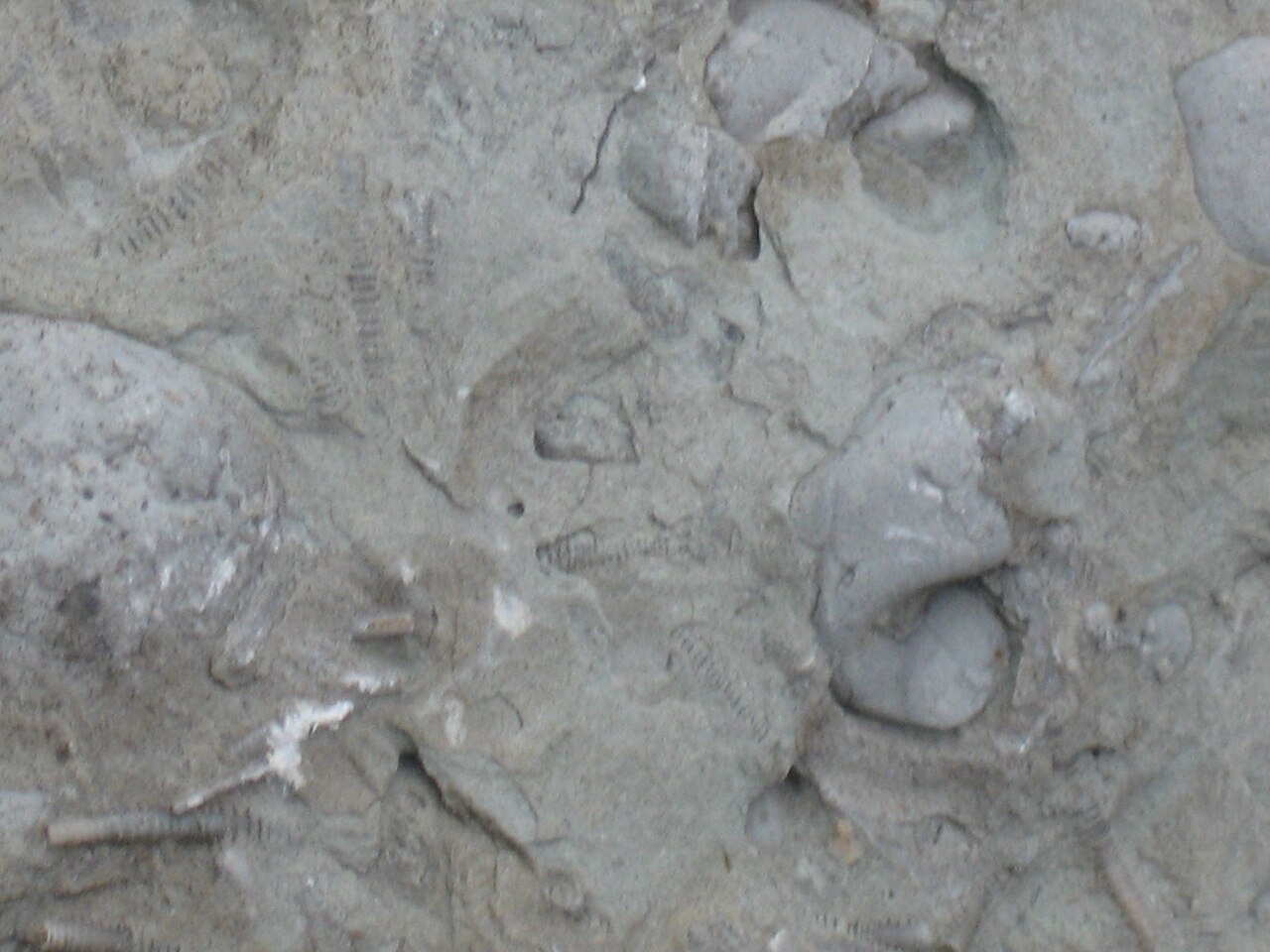
The earliest known gastropod fossils come from the Late Cambrian period, placing the lineage at roughly 500 million years old. That makes gastropods one of the oldest continuously surviving animal groups in the fossil record.
Why do invertebrate zoologists consider gastropods so significant?
As the second-most diverse animal class after insects, gastropods are a central focus of invertebrate biodiversity research. Their extraordinary range of body forms, ecological niches, and adaptive strategies makes them a key group for understanding molluscan evolution.
More in Invertebrates 25-40
Elsewhere in the Invertebrates universe
Spotted an error? Know more?
This is a living reference — every entry is fact-audited, and reader corrections feed straight into our audit queue. Suggest an edit · See this site's audit record