Arachnid
Eight-legged arthropods with chelicerae and pedipalps.

Ernst Haeckel · Public domain
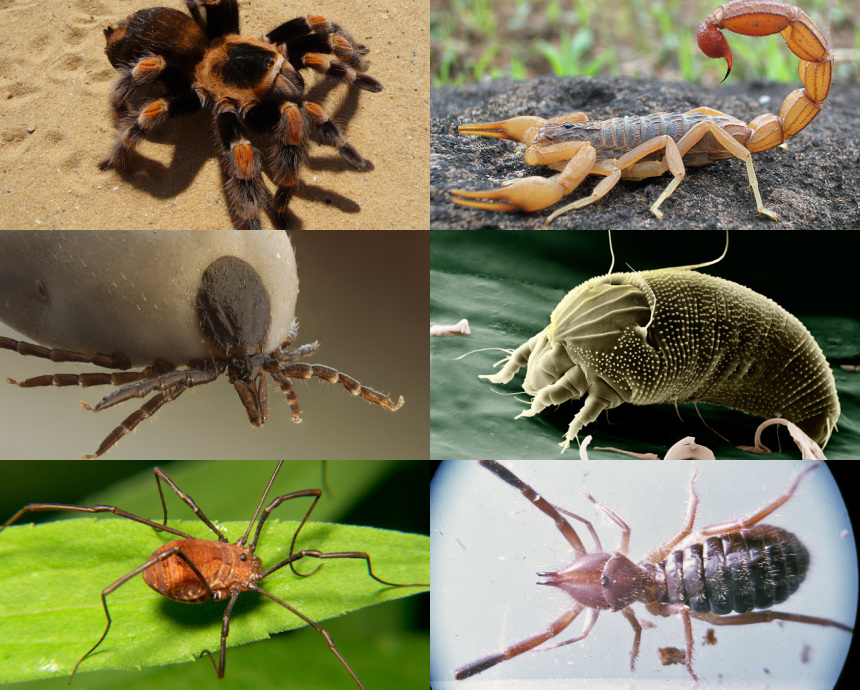
Arachnids are arthropods in the class Arachnida of the subphylum Chelicerata. They include spiders, scorpions, ticks, mites, pseudoscorpions, harvestmen, camel spiders, whip spiders, and vinegaroons. Almost all extant arachnids are terrestrial, though some inhabit freshwater and marine environments. The term derives from the Greek word ἀράχνη ('spider'), from the myth of Arachne.
- field
- Zoology
- known_for
- Eight-legged arthropods, including spiders and scorpions
Lore & Background
Arachnids have a body organized into two tagmata: the prosoma (cephalothorax) and opisthosoma (abdomen). Almost all adult arachnids have eight legs, unlike insects which have six. They also have two further pairs of appendages: chelicerae for feeding and defense, and pedipalps adapted for feeding, locomotion, or reproduction. In some species, the frontmost pair of legs has converted to a sensory function, while in others, different appendages can appear as extra legs. Arachnids lack antennae and wings. Their cephalothorax is usually covered by a single, unsegmented carapace, and the abdomen may be segmented or fused. A telson is present in scorpions (modified to a stinger) and in some other orders. Arachnids have an exoskeleton and an internal endosternite.
Reader's Guide
They are mostly carnivorous, feeding on pre-digested prey, though ticks and many mites are parasites, and some harvestmen and mites ingest solid food. Their venom, produced by scorpions, spiders, and pseudoscorpions, contains pre-digestive enzymes. Arachnids have internal respiratory surfaces such as tracheae or book lungs, and their excretory glands include coxal glands and Malpighian tubules, with guanine as the primary nitrogenous waste. Their sensory organs include lateral and median ocelli, fine sensory hairs, trichobothria, and slit sense organs. The absence of extensor muscles in distal joints of many arachnids is compensated by hydraulic extension or elastic recoil. Their legacy includes roles as predators, parasites, and disease vectors, and their study informs understanding of arthropod evolution and terrestrial adaptation.
Did You Know?
- Almost all adult arachnids have eight legs, unlike adult insects which have six.
- Scorpions, pseudoscorpions, and ricinuleids have pedipalps ending in pinchers.
- The primary nitrogenous waste product in arachnids is guanine.
- Some mites have no heart at all.
Taxonomic Scope and Global Diversity
Arachnids form a class within the subphylum Chelicerata, a lineage of arthropods that stretches across an extraordinary range of body forms and ecological niches. The group encompasses spiders, scorpions, ticks, mites, pseudoscorpions, harvestmen, camel spiders, whip spiders, and vinegaroons, among others. In total, more than 110,000 named species have been described, with spiders alone accounting for roughly 51,000 of them. The overwhelming majority of living arachnids are terrestrial, anchoring themselves to land habitats around the globe. Yet the class is not strictly bound to dry ground: certain species thrive in freshwater settings, and a few have even colonized marine environments, though they conspicuously avoid the open pelagic zone. The very name of the class traces back to ancient Greek, drawing on the word for spider and the myth of Arachne, the hubristic human weaver transformed into a spider by the gods. This etymological root underscores how deeply the spider archetype has shaped human perception of the entire group, even though arachnids extend far beyond the familiar eight-legged web-spinner.
Body Architecture and Appendage Specialization
The adult arachnid body is organized into two major tagmata: the prosoma, commonly called the cephalothorax, and the opisthosoma, or abdomen. Unlike insects, arachnids possess neither antennae nor wings, and they typically bear eight legs attached to the prosoma, though some species modify the frontmost pair into sensory organs or develop enlarged appendages that mimic additional leg pairs. Beyond the walking legs, two further pairs of appendages serve specialized roles. The chelicerae, the first pair, handle feeding and defense, while the pedipalps, the second pair, have diversified enormously: in scorpions and pseudoscorpions they terminate in pinchers, in whip scorpions and many harvestmen they function as raptorial prey-capture tools, and in Solifugae they are so leg-like that the animal appears to have ten legs. The prosoma is usually shielded by a single unsegmented carapace, whereas the abdomen shows varying degrees of segment fusion. In scorpions the terminal segment, the telson, is modified into a stinger, while in whip scorpions and related groups it becomes a flagellum bearing glands that secrete acetic acid as a chemical deterrent.
Terrestrial Physiology and Internal Systems
Life on land demands a suite of physiological innovations, and arachnids have evolved several key adaptations. Gas exchange is handled either through internal tracheal tubes or through book lungs, which are vascular lamellae that extract oxygen directly from air. Notably, the tracheae of arachnids are not homologous with those of insects; in groups like ricinuleids, pseudoscorpions, and some spiders, sieve tracheae arise in bundles from a small chamber, a configuration that almost certainly evolved from book lungs. Water conservation is supported by a waxy cuticular layer and efficient excretory structures, including up to four pairs of coxal glands along the prosoma and one or two pairs of Malpighian tubules that empty into the gut. The primary nitrogenous waste product is guanine. The circulatory system varies widely: arachnids with highly efficient tracheal systems may have a reduced blood circulation, while scorpions and some spiders carry haemocyanin, a copper-based oxygen-binding pigment analogous to haemoglobin in vertebrates. The heart sits in the forward portion of the abdomen, and in some mites it is absent altogether.
Locomotion Mechanics and Feeding Strategies
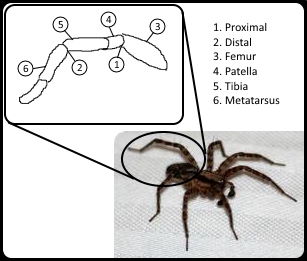
Arachnids have developed remarkably diverse mechanisms for extending their limbs. Most lack extensor muscles in the distal joints, so spiders and whip scorpions rely on hydraulic pressure from their hemolymph to straighten their legs. Solifuges and certain harvestmen instead exploit highly elastic thickenings in the joint cuticle to snap their knees open. Scorpions, pseudoscorpions, and some harvestmen have evolved muscles capable of extending two leg joints simultaneously, though the equivalent pedipalp joints in scorpions still depend on elastic recoil. On the feeding side, the majority of arachnids are carnivorous, consuming pre-digested bodies of insects and other small animals. Ticks and many mites, however, are parasitic, some serving as disease vectors. Mite diets also extend to fungi, plant juices, and decomposing matter. Harvestmen display an equally broad spectrum, encompassing predators, decomposers, and omnivores that feed on decaying plant and animal material, droppings, small animals, and mushrooms. The house dust mite and certain other mite species represent yet another ecological niche within this varied feeding landscape.
Gallery
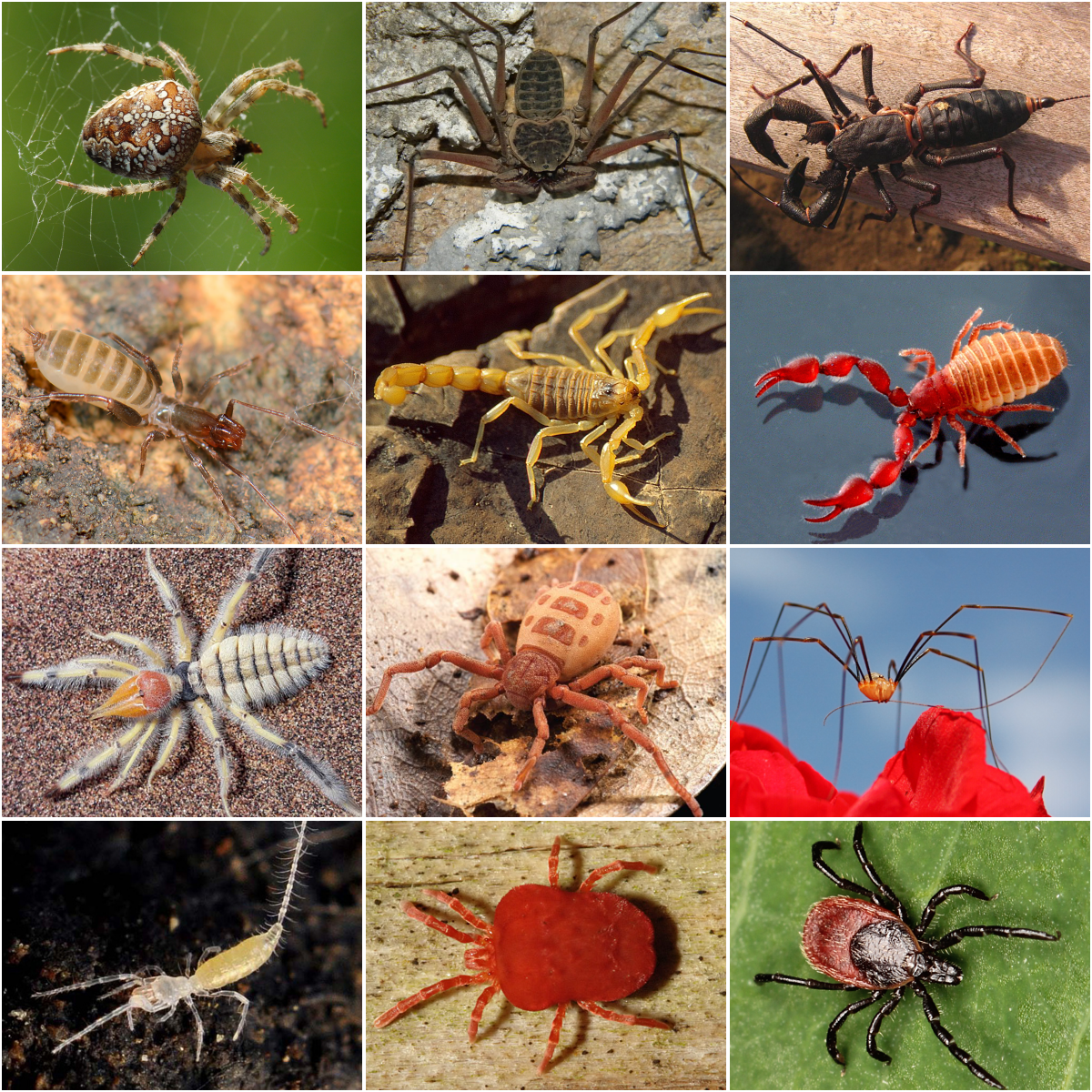
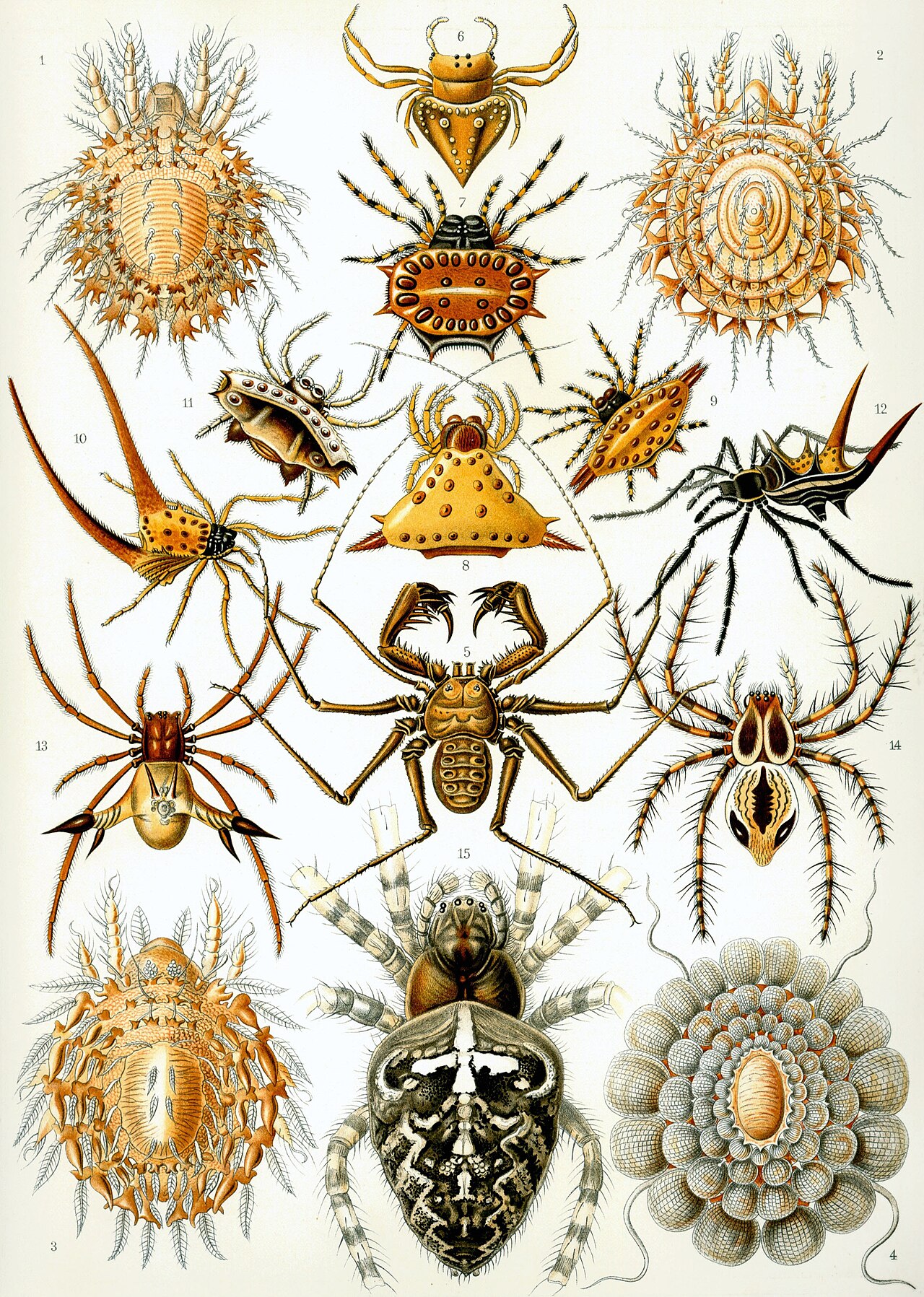
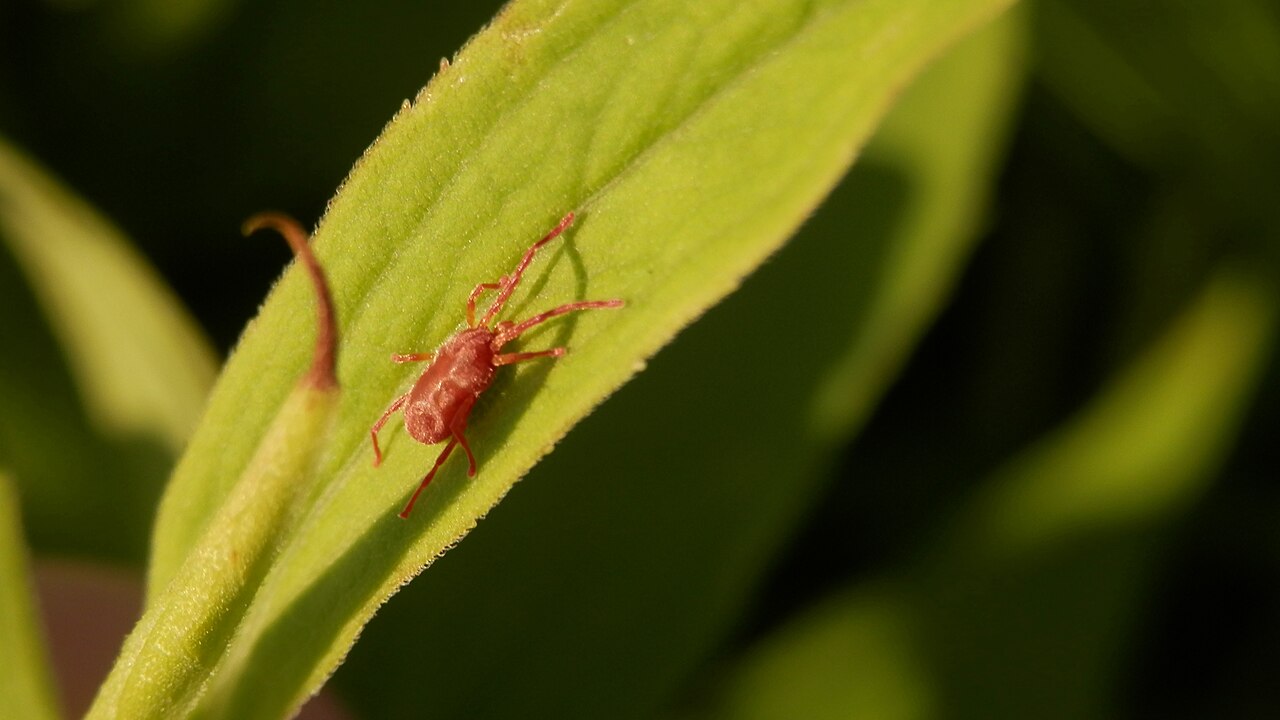
Frequently Asked Questions
Who is Arachnid?
Arachnid refers to the class Arachnida within the subphylum Chelicerata, a group of eight-legged arthropods that encompasses spiders, scorpions, ticks, mites, and several other lineages. They are distinguished from insects by their two body segments and the absence of antennae.
What are Arachnid's powers or defining traits?
Every arachnid possesses chelicerae (the front-most mouthparts) and pedipalps, and they lack wings and antennae. Most species breathe through book lungs or tracheae, and the vast majority live on land, though a few have adapted to freshwater or marine habitats.
Where does the name 'Arachnid' come from?
The term traces back to the Greek word ἀράχνη, meaning 'spider,' which itself derives from the mythological figure Arachne, a weaver who challenged the goddess Athena. The scientific class name Arachnida was built directly on that same Greek root.
Why is Arachnid important in the broader invertebrate world?
Arachnids occupy a huge range of ecological niches as predators, parasites, and decomposers, making them a keystone component of most terrestrial food webs. Their sheer diversity—spanning from tiny mites to large scorpions and whip spiders—gives them a disproportionate influence on ecosystem structure.
How does Arachnid's evolutionary story wrap up?
Arachnids have persisted since the Silurian period and today represent one of the most successful groups of land-dwelling arthropods. Their lineage remains active and diverse, with new species of mites, spiders, and scorpions still being described by zoologists.
More in Invertebrates 1-24
Elsewhere in the Invertebrates universe
Spotted an error? Know more?
This is a living reference — every entry is fact-audited, and reader corrections feed straight into our audit queue. Suggest an edit · See this site's audit record