Arthropod
Invertebrates with jointed limbs and exoskeletons, dominating animal diversity.

Cédric Aria, Fangchen Zhao, Han Zeng, Jin Guo, Maoyan Zhu Diego C. García-Bellid · CC BY-SA 4.0
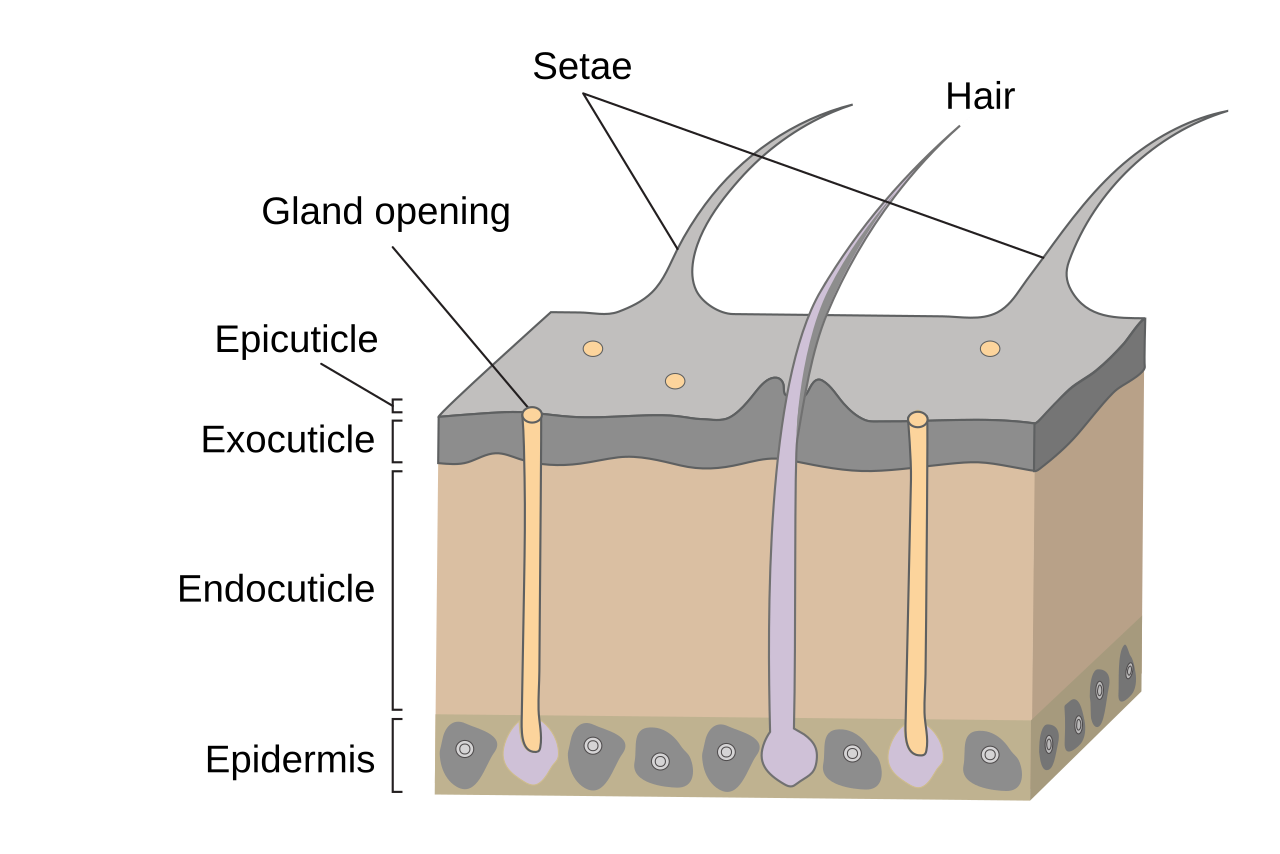
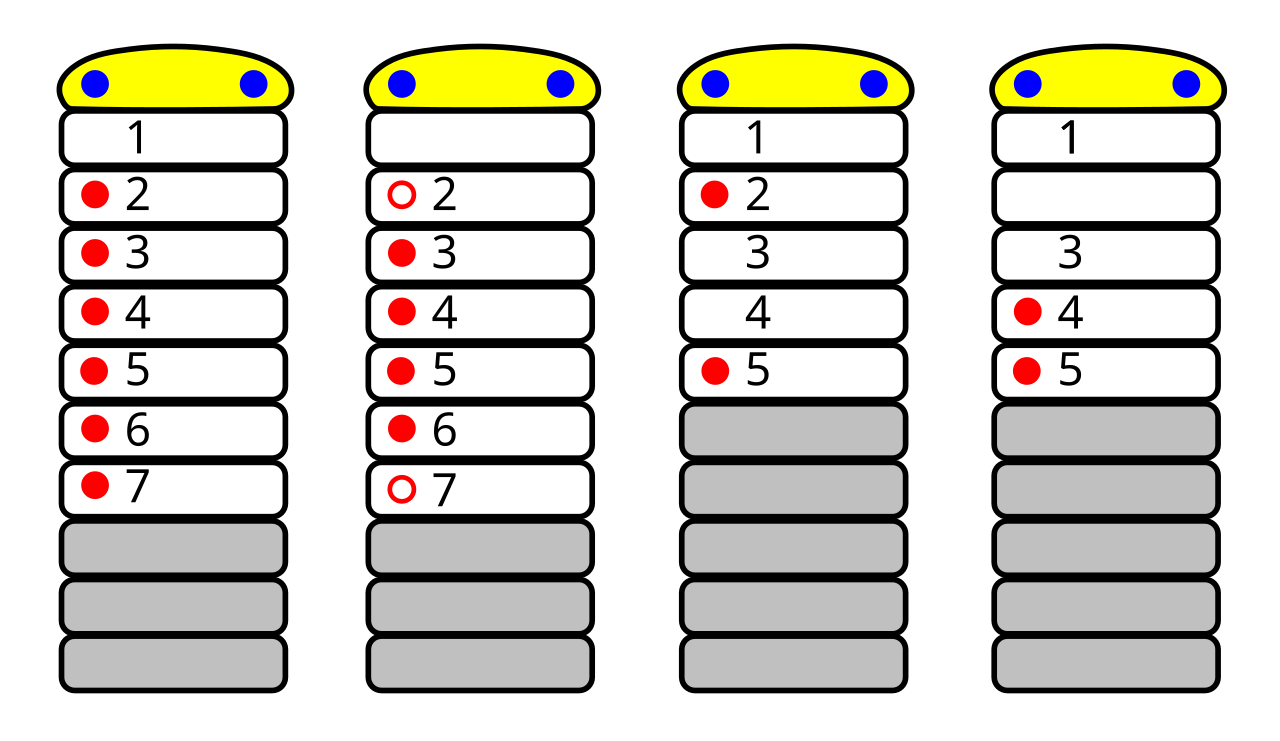
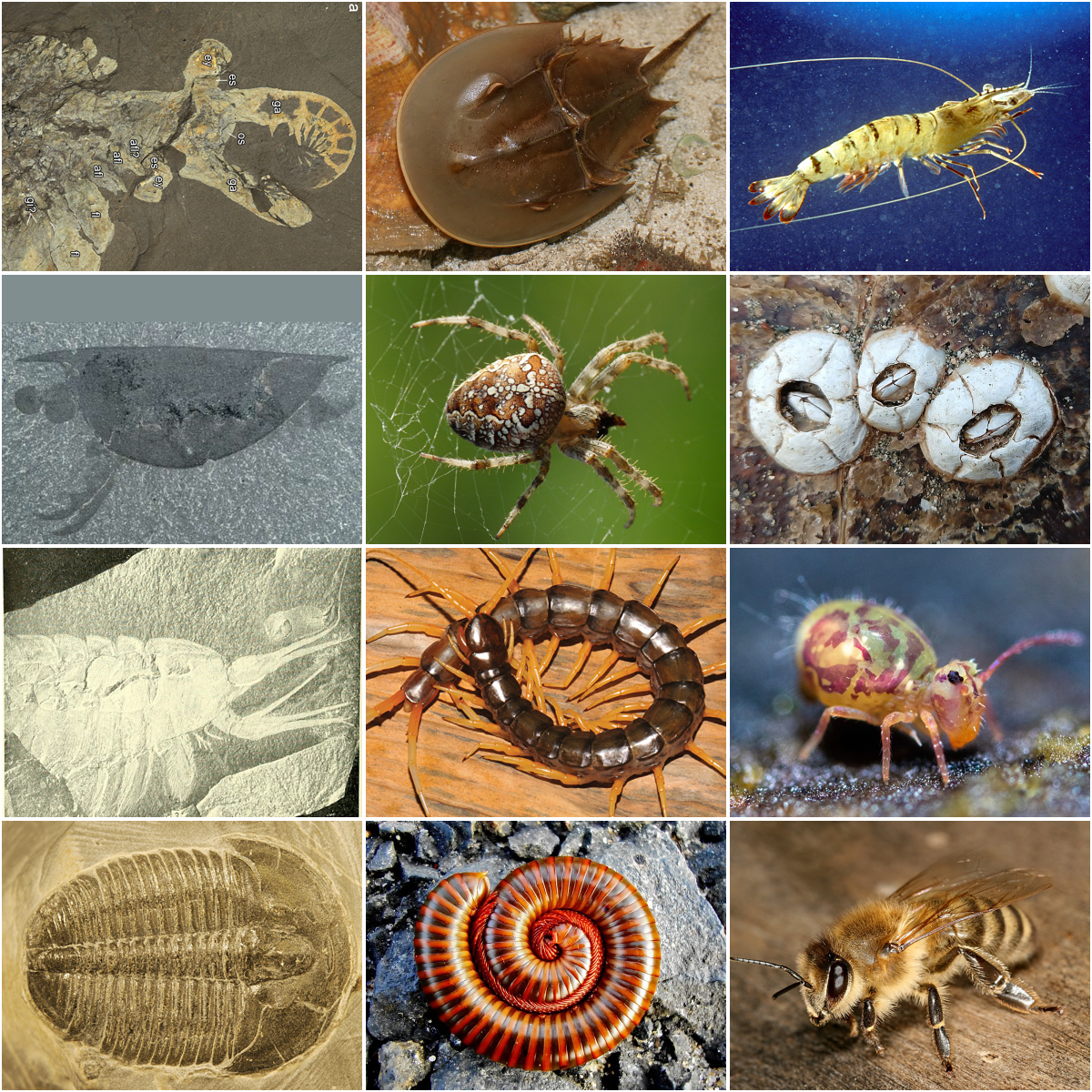
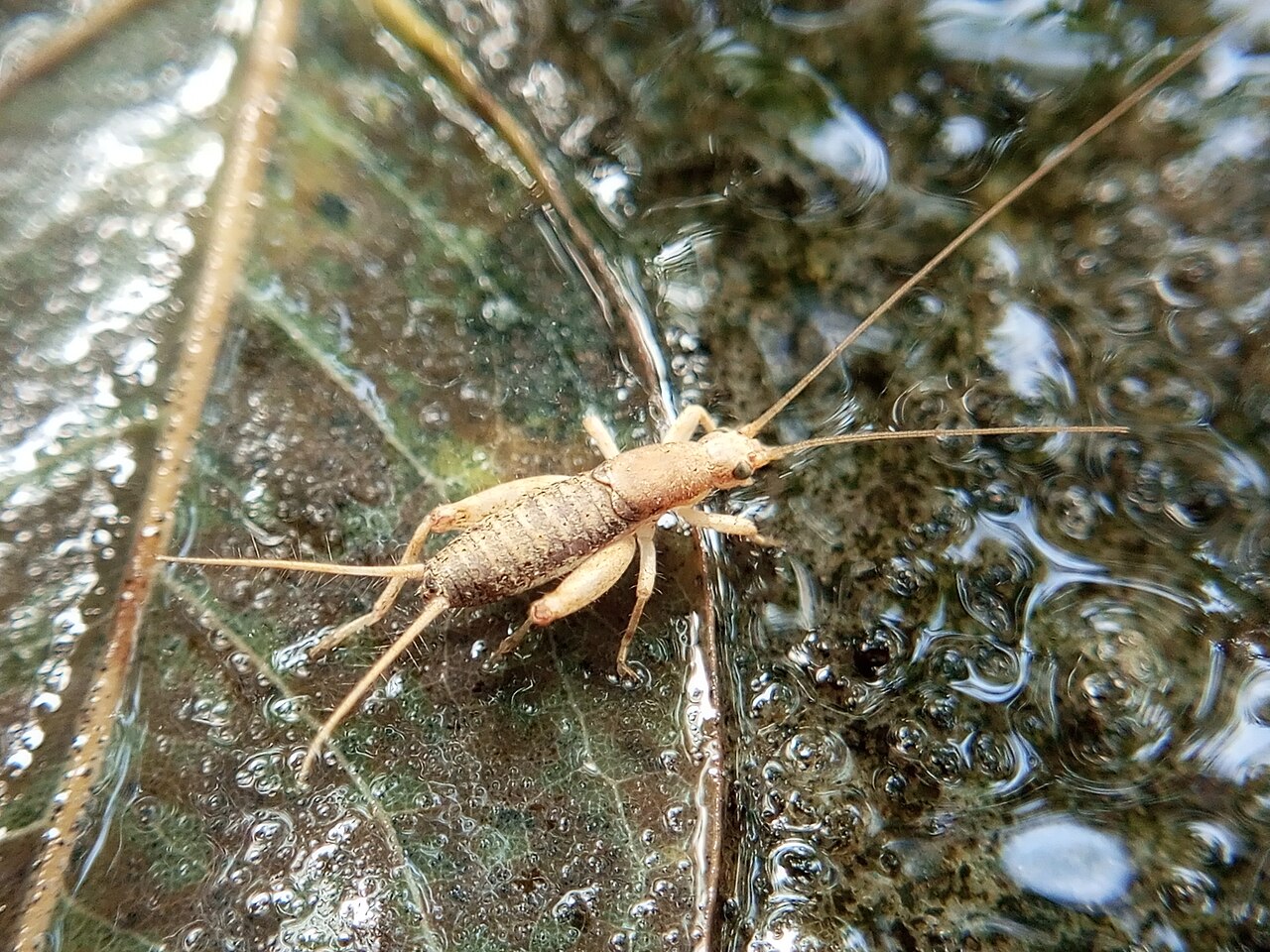
Arthropods are invertebrates in the phylum Arthropoda, characterized by an exoskeleton made of chitin, segmented bodies, and paired jointed appendages. They form an extremely diverse group of up to ten million species and account for over 80 percent of all known living animal species, making them the largest animal phylum.
- field
- Zoology
- known_for
- Segmented bodies, jointed limbs, exoskeleton, moulting, and extreme diversity
- oldest_fossil_evidence
- Cambrian period
- key_characteristics
- Open circulatory system, haemolymph, compound eyes, ocelli, ladder-like nervous system
Lore & Background
Terrestrial arthropods are often called bugs, though entomologists reserve that term for true bugs of the order Hemiptera. Arthropods have an open circulatory system with haemolymph circulating through a body cavity called the haemocoel, and their nervous systems are ladder-like with paired ventral nerve cords and ganglia in each segment. Their heads are formed by fusion of varying numbers of segments, and their brains encircle the esophagus.
Reader's Guide
Arthropods are of immense significance as they dominate terrestrial, freshwater, and marine ecosystems, and are one of only two major animal groups adapted to dry environments (the other being amniotes). They contribute to human food supply directly as food and indirectly as pollinators of crops, though some species spread severe disease to humans, livestock, and crops. Their evolutionary ancestry dates to the Cambrian period, and they are generally regarded as monophyletic, placed within the superphylum Ecdysozoa. The relationships between arthropod groups remain actively debated. Arthropods use compound eyes and ocelli for vision, with spiders having image-forming ocelli that can swivel. Reproduction varies: all terrestrial species use internal fertilization, aquatic species use internal or external fertilization, and almost all lay eggs, though some are viviparous. Their hatchlings range from miniature adults to grubs that undergo total metamorphosis.
Did You Know?
- The largest arthropod is the Japanese spider crab, with legs spanning up to 4 metres.
- Arthropods account for over 80 percent of all known living animal species.
- The word 'arthropod' comes from Greek for 'jointed leg'.
Linnaeus's Grand Catch-All
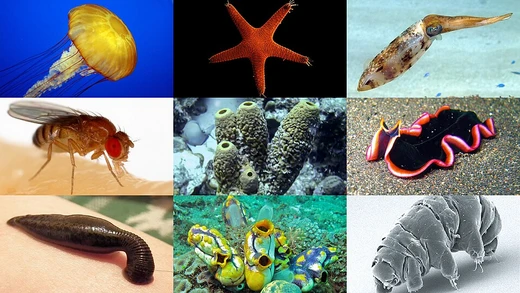
In his Systema Naturae, Carl Linnaeus assigned Vermes the rank of class, positioning it as the sixth and final slot in his animal systematics. The category served as a receptacle for non-arthropod invertebrates that resisted easier placement. Linnaeus subdivided it into five orders. Intestina gathered horsehair worms, earthworms, roundworms, liver flukes, leeches, hagfishes, and shipworms into one group. Mollusca, understood very differently from the modern phylum bearing that name, held slugs, sea slugs, polychaetes, sea mice, priapulids, salps, jellyfish, starfish, and sea urchins. Testacea collected chitons, barnacles, clams, cockles, nautiluses, snails, and serpulid worms. Lithophyta encompassed various corals, and Zoophyta assembled bryozoans, coralline algae, Hydra, sea pens, tapeworms, and Volvox. The result was a remarkably mismatched assemblage: cnidarians, echinoderms, and polychaetes were scattered across multiple orders rather than grouped by any coherent biological principle. Many of the organisms Linnaeus catalogued were very poorly known, and some were not even regarded as animals in his era.
Lamarck's Surgical Separation
Jean-Baptiste Lamarck undertook a revision of Linnaeus's framework in his 1801 publication Système des Animaux sans Vertebres. His most consequential move was extracting echinoderms, arachnids, crustaceans, and annelids from the Vermes category, granting them independent standing. This separation was pivotal: by pulling out arachnids and crustaceans, Lamarck effectively began distinguishing what we now recognize as arthropods from the soft-bodied invertebrates that had been lumped together under the old vermin label. The act of carving these groups out signaled a shift from Linnaeus's pragmatic, catch-all methodology toward a classification that respected genuine biological distinctions. That said, Lamarck's revision did not fully resolve the underlying problem. The remaining Vermes still contained organisms drawn from a wide variety of phyla, and the category retained its character as a heterogeneous collection. Nevertheless, his 1801 work marked a turning point in the long process of dismantling the artificial unity that Linnaeus had imposed. It demonstrated that the animal kingdom could be parsed into more natural units than the six classes of the eighteenth century allowed.
The Slow Dissolution
After Linnaeus's era, and especially following the arrival of Darwinian evolutionary theory, it became increasingly evident that the animals grouped under Vermes shared no close evolutionary relationship. The category was, in retrospect, an artificial construct — a convenient dumping ground for organisms that simply had not yet been properly sorted. Systematic works focused on animal phyla in the centuries following Linnaeus progressively dismantled Vermes, redistributing its members into natural systematic units grounded in genuine biological relationships. Of all the classes Linnaeus had proposed beneath Vermes, only Mollusca endured as a recognized phylum name, and even its composition shifted almost entirely away from what the Swedish naturalist had originally included. The Intestina, Testacea, Lithophyta, and Zoophyta categories vanished completely as taxonomic entities. What remains of Vermes today is essentially a historical footnote, a reminder of how early naturalists labored to make sense of the animal kingdom before the conceptual tools of evolutionary biology existed to guide their classifications.
The Word That Remained
Although Vermes no longer functions as a taxonomic group, its linguistic shadow persists in the anatomical descriptor vermiform, applied to animals or organs that are worm-shaped. The term derives from two Latin roots: vermes, meaning worms, and formes, meaning shaped. A familiar example in human anatomy is the vermiform appendix, a small blind section of the gut shared by humans and a number of other mammals. In zoological usage, the adjective describes several soft-bodied animal phyla, including annelids such as earthworms and their relatives, roundworms which are predominantly parasitic, the minute parasitic mesozoans, and some larger free-living groups like ribbon worms, peanut worms, and priapulids. This enduring descriptive use highlights how a single Latin root can outlive the entire taxonomic framework that originally gave it context. The word vermiform carries no implication of evolutionary kinship; it is purely a statement about shape, a quiet ghost of the old classification system still living in everyday anatomical and zoological language.
Gallery
Frequently Asked Questions
What is Arthropod in the Invertebrates 1-24 series?
Arthropod refers to the phylum Arthropoda, the largest animal group, defined by a chitin-based exoskeleton, a body split into segments, and paired jointed appendages. It covers an enormous range of invertebrates including insects, arachnids, and crustaceans, together representing over 80 percent of all known animal species.
What are Arthropod's key anatomical features?
Members of this phylum share an open circulatory system that moves haemolymph rather than true blood, a ladder-like nervous system, and visual structures such as compound eyes or simple ocelli. Their segmented, jointed-limbed body plan is what gives the group its name and sets it apart from other invertebrate phyla.
How far back does Arthropod's history go?
The oldest fossil evidence for arthropods dates to the Cambrian period, placing them among the earliest complex animal lineages on Earth. Over hundreds of millions of years they diversified into as many as ten million species, making them the most species-rich animal phylum.
Why is Arthropod considered the most dominant animal group?
Arthropods make up more than 80 percent of every known living animal species, a dominance no other phylum comes close to matching. Their long-term success is often linked to the protective exoskeleton, the capacity to moult and grow, and the sheer morphological variety their body plan allows.
What is moulting and why do Arthropods undergo it?
Moulting is the periodic shedding of the rigid chitin exoskeleton so the animal can grow a new, larger one. Because the outer shell cannot stretch, arthropods must discard and rebuild it throughout their lives to continue increasing in size.
More in Invertebrates 1-24
Elsewhere in the Invertebrates universe
Spotted an error? Know more?
This is a living reference — every entry is fact-audited, and reader corrections feed straight into our audit queue. Suggest an edit · See this site's audit record