
Bed bug
Blood-feeding insects that infest homes and cause skin irritation.

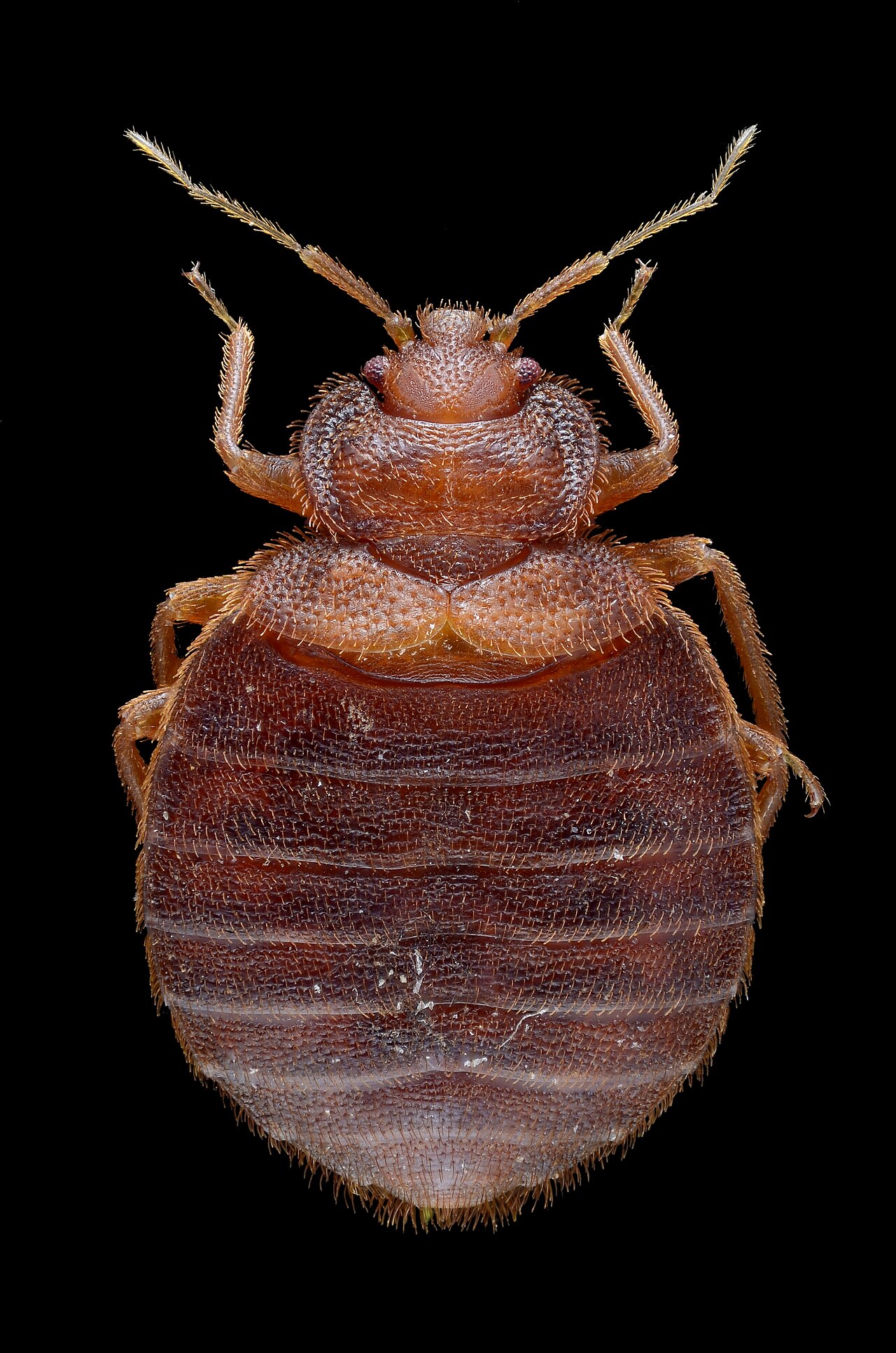
Gilles San Martin from Namur, Belgium · CC BY-SA 2.0
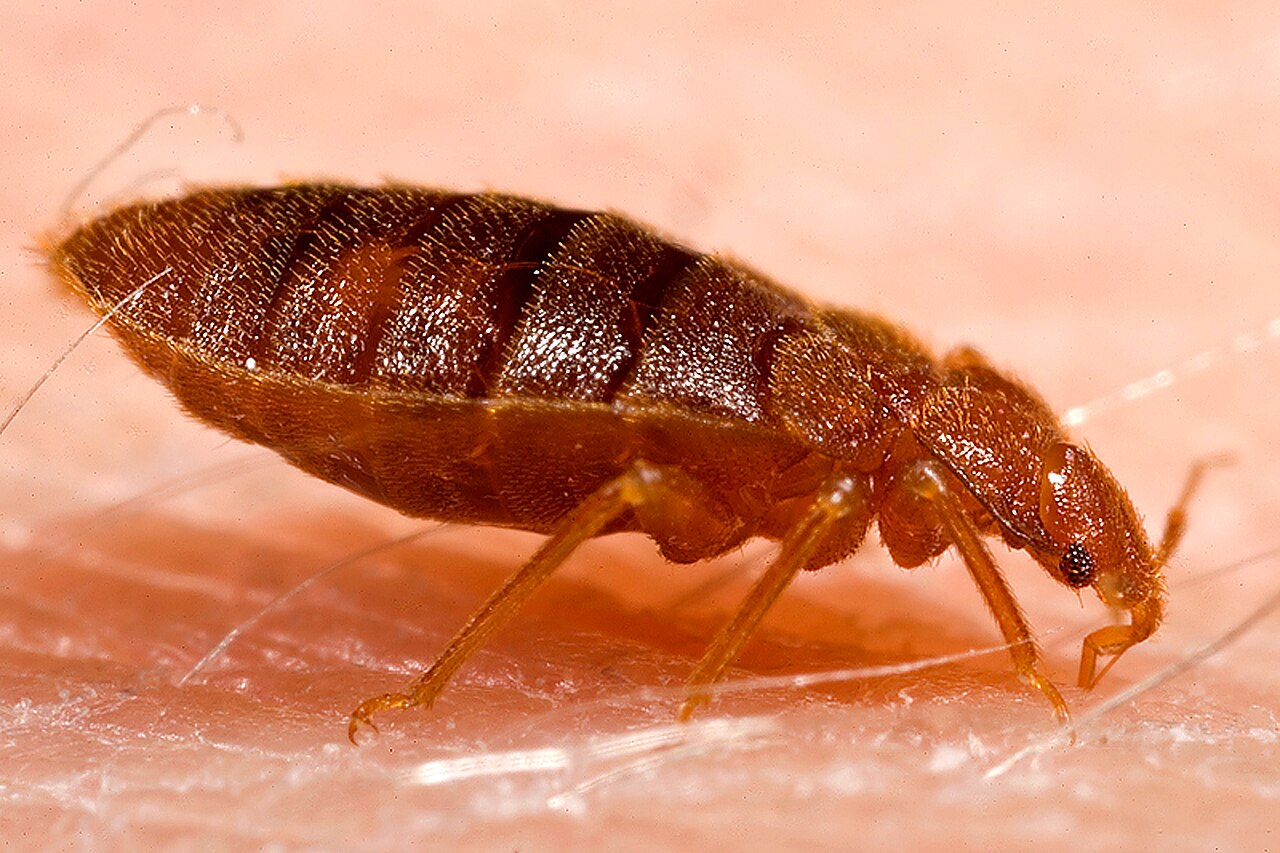
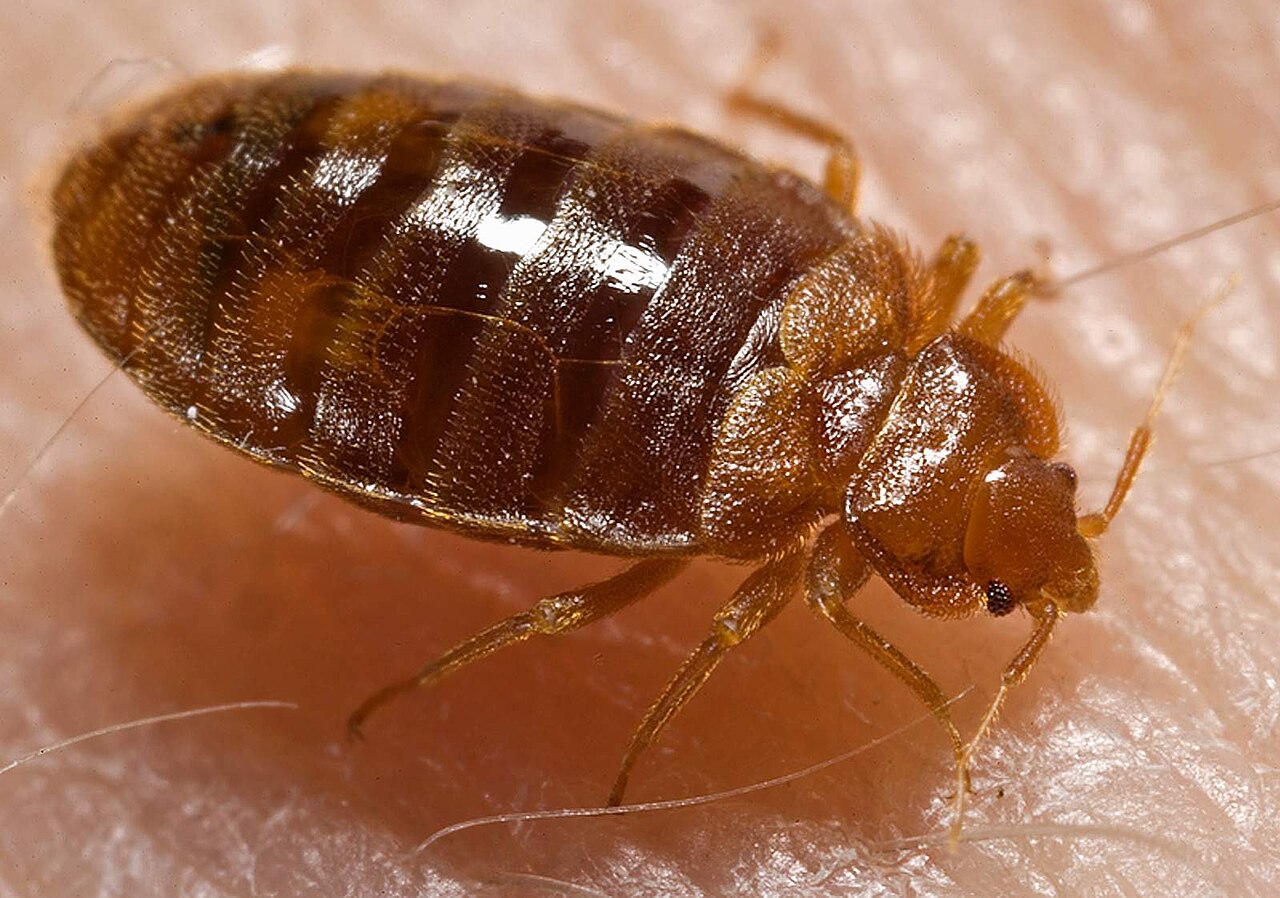
Bed bugs are insects from the genus Cimex, which are parasites that feed on blood, usually at night. Their bites can result in a number of health issues, including skin rashes, psychological effects, and allergic symptoms. Bed bug bites may lead to skin changes ranging from small areas of redness to prominent blisters. Symptoms may take between minutes to days to appear and itchiness is generally present. Some individuals may feel tired or have a fever. Typically, uncovered areas of the body are affected. Their bites are not known to transmit any infectious disease. Complications may rarely include areas of dead skin or vasculitis.
- species
- Cimex lectularius (common bed bug) and Cimex hemipterus (tropical bed bug)
- size
- 1 to 7 mm
- egg_laying
- Female common bed bugs lay 1–10 eggs per day, 200–500 in a lifetime; tropical bed bugs lay about 50 eggs in a lifetime
- known_for
- Blood-feeding parasites that infest dwellings and cause skin irritation, but do not transmit infectious diseases
Lore & Background
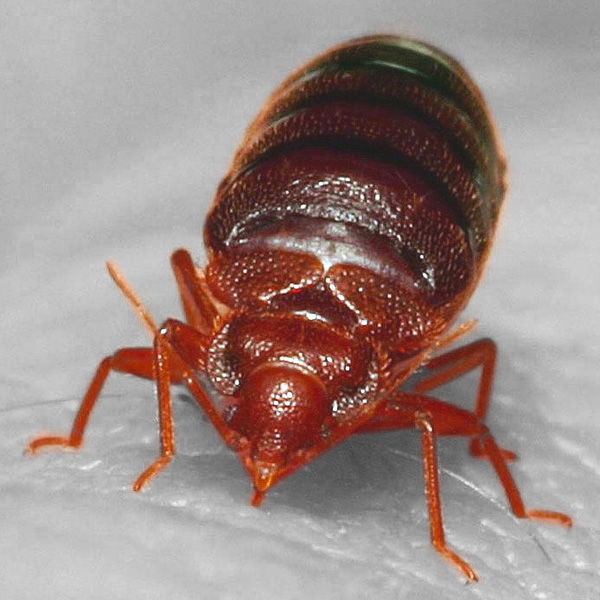
Bed bugs have been known as human parasites for at least 3,500 years, with fossils found in Egypt. They are primarily represented by two species: Cimex lectularius (the common bed bug) and Cimex hemipterus (found mainly in the tropics). Their size ranges between 1 and 7 mm. They spread by crawling between nearby locations or by being carried within personal items. Infestation is rarely due to a lack of hygiene but is more common in high-density areas. Diagnosis involves both finding the bugs and the occurrence of compatible symptoms. Bed bugs spend much of their time in dark, hidden locations like mattress seams or cracks in a wall. Bed bugs feed exclusively on blood and, at any stage of development, may survive up to 70 days without feeding. Adult Cimex are light brown to reddish-brown, flat, oval, and have no hind wings. They have five immature nymph life stages and a final sexually mature adult stage. Bed bugs need at least one blood meal to advance to the next stage. They are attracted to hosts primarily by carbon dioxide, secondarily by warmth, and also by certain chemicals. Cimex lectularius feeds only every five to seven days. When starved, it leaves its shelter and searches for a host, returning after successful feeding or if exposed to light. Despite being nearly eradicated in developed countries after World War II, infestations have increased since the 1990s and bed bugs are now relatively common in all regions of the globe. Experts point to several factors: increased immigration and international travel, expanded markets for second-hand goods, a greater focus on control of other pests, the banning of certain pesticides, and increased resistance to pesticides still in use.
Reader's Guide
Bed bugs are significant primarily as a persistent and widespread household pest that causes discomfort and health issues without transmitting infectious diseases. Their bites lead to itching, skin rashes, and sometimes allergic reactions, though symptoms vary widely among individuals. The psychological effects of infestation, including anxiety, stress, and sleep difficulties, can be severe, and in rare cases, chronic exposure may lead to refractory delusional parasitosis. Treatment of bites is symptomatic, with antihistamines and corticosteroids sometimes used, but symptoms usually resolve without treatment in 1–2 weeks. The resurgence of bed bugs since the 1990s, after near-eradication in developed countries post-World War II, highlights challenges in pest control, including pesticide resistance and global travel. Their long history as human parasites—at least 3,500 years—underscores their adaptability and the ongoing need for effective management strategies.
Did You Know?
- Bed bugs have been known as human parasites for at least 3,500 years, based on fossils found in Egypt.
- Their bites are not known to transmit any infectious disease.
- Infestation is rarely due to a lack of hygiene but is more common in high-density areas.
Where They Hide and Why Detection Matters
Bed bugs, members of the family Cimicidae, are small parasitic insects whose preferred blood source is humans. Understanding their preferred hiding spots is essential because early detection and treatment are the keys to successful control. Surveys have shown that the mattress is the single most commonly infested location at 98.2 percent, closely followed by the boxspring at 93.6 percent and nearby carpets and baseboards at 94.1 percent. These insects do not roam far; they thrive in zones within roughly 1.5 metres (about 4.9 feet) of their host, where they can find both an adequate supply of available hosts and the cracks, crevices, and harborages they need to shelter during the day. Because they are so small and so adept at slipping into seams and joints, a single missed hiding spot can allow a colony to re-establish itself after treatment. This is why professionals emphasize inspecting the immediate sleeping environment thoroughly and why the mattress, boxspring, and surrounding floor areas receive the most attention during any infestation assessment.
The Pesticide Resistance Arms Race
Bed bug populations have evolved remarkable tolerance to the chemicals humans rely on to kill them. Resistance to DDT and organophosphates is widespread, and most populations across the United States now show tolerance to pyrethroid insecticides several thousand times greater than that of laboratory strains. In Arkansas, one population has been documented with a DDT LD50 exceeding 100,000 ppm. New York City specimens have been found to be 264 times more resistant to deltamethrin than their Florida counterparts, a gap attributed to genetic mutations and evolution. A 2008 study ranking insecticides from most to least effective placed lambda-cyhalothrin at the top—ironically itself a pyrethroid, but one previously used on cotton crops where bed bugs never encountered it. By January 2016, however, resistance had extended to neonicotinoids in two major U.S. cities. Chlorpyrifos, once a long-acting option, was banned under EU biocide regulations in 2008. Some manufacturers now turn to sulfuryl fluoride fumigants, while insect growth regulators like hydroprene offer another tool in the ongoing chemical arms race.
Legal Frameworks and Economic Fallout
Because bed bugs spread easily between connecting units and inflict lasting psychological harm, many jurisdictions have enacted specific statutes governing the responsibilities of landlords and tenants. Typical provisions require lessors to educate all lessees about bed bugs, mandate that tenants notify their landlord in writing immediately upon discovering an infestation, prohibit landlords from intentionally leasing an infested unit, and forbid tenants from deliberately introducing infested items. Crucially, the law often obligates the lessor to eradicate the infestation at a professional level every single time it occurs, including all connecting units, while the lessee must cooperate in the process. The economic stakes are significant: a 2015 survey found that social media reports of bed bugs lowered a hotel room's value by $38 for business travelers and $23 for leisure travelers. An Orkin survey of 100 U.S. hotels in 2016 revealed that 82 percent had been treated for bedbugs in the preceding year. Mapped reports in densely populated cities like New York, Los Angeles, and San Francisco illustrate just how challenging elimination is when thousands of adjacent units share walls.
Treatment Realities and Non-Chemical Alternatives
Despite the availability of chemical options, real-world bed bug treatment is often costly, laborious, time-consuming, repetitive, and deeply embarrassing for those affected. A 2005 survey found that only 6.1 percent of pest-control companies claimed they could eliminate an infestation in a single visit, while 62.6 percent expected two to three visits. Worse, insecticide application can trigger dispersal, driving bugs into neighboring areas and spreading the problem. The repellent effect of pesticides compounds this issue, pushing insects toward adjacent dwellings. For these reasons, non-residue methods such as steaming and vacuuming are generally preferred over saturating mattresses, pillows, and bedding with chemicals. Tight cotton covers on mattresses and bedding can also block access. Health considerations further complicate chemical use: potential effects on people and pets range from allergic reactions to cancer and acute neurotoxicity. When pesticides are ineffective, exterminators may require disposal of infested furniture, and it is advisable to break or mark such items so they are not unintentionally recycled and carried to new locations.
Gallery
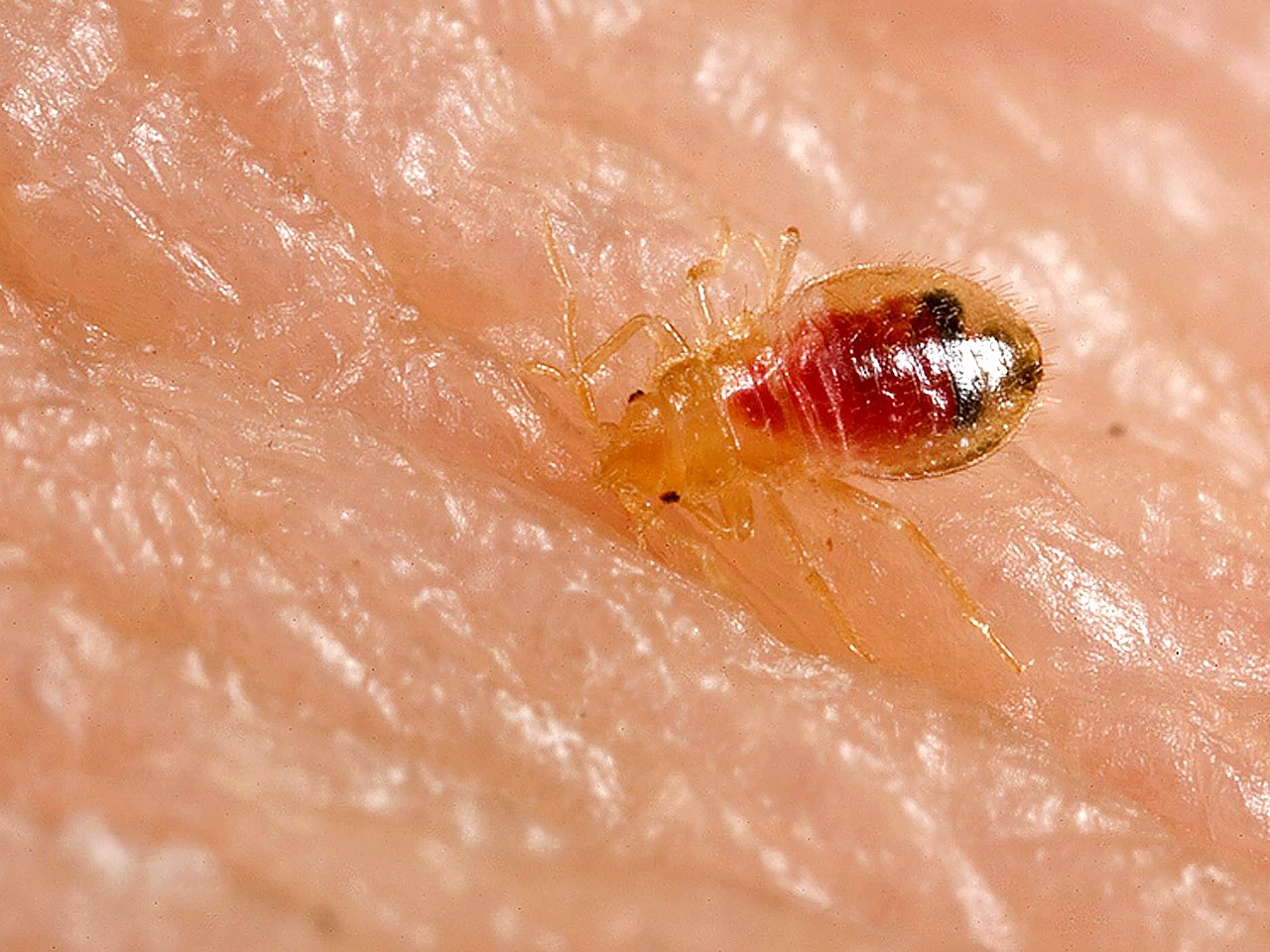
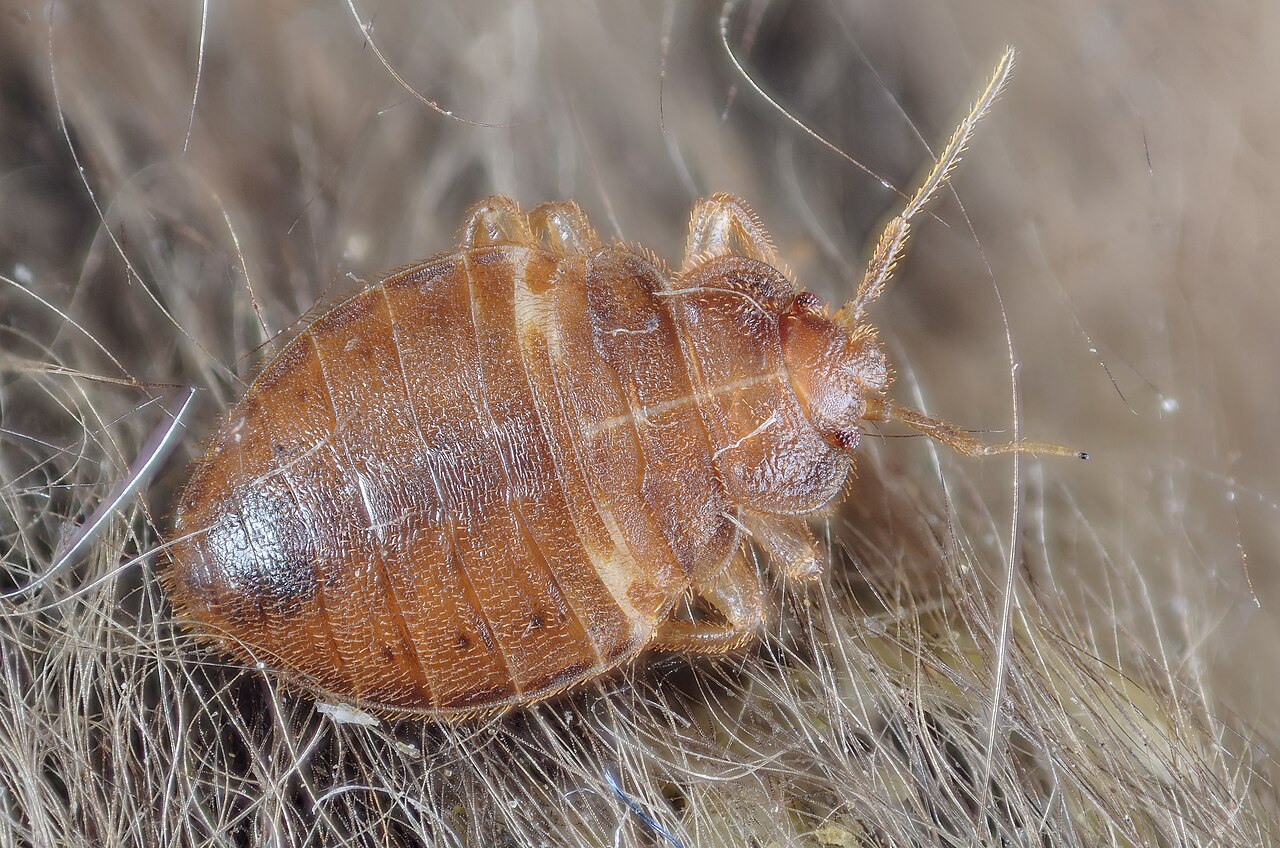
Frequently Asked Questions
What is a bed bug?
Bed bugs are small, blood-feeding parasites in the genus Cimex, most commonly the species Cimex lectularius or Cimex hemipterus. They typically feed on their hosts at night and are well known for colonizing human dwellings.
How big are bed bugs?
Adults measure roughly 1 to 7 mm in length, giving them a flat, oval profile that lets them slip into mattress seams and furniture cracks. Their compact size is a key reason they are so difficult to spot and eradicate.
Do bed bugs transmit infectious diseases?
Despite their unsettling reputation, bed bug bites are not known to spread any infectious disease to humans. Their primary impact is skin irritation, allergic reactions, and psychological distress rather than pathogen transmission.
How many eggs can a bed bug produce?
A female common bed bug can lay between 1 and 10 eggs per day, accumulating roughly 200 to 500 over her lifetime. The tropical species, Cimex hemipterus, is considerably less prolific, producing about 50 eggs in total.
What do bed bug bites look like and how long do symptoms take?
Bites usually appear on exposed skin as small red patches or, in more severe cases, raised blisters, accompanied by persistent itching. Reactions can surface anywhere from a few minutes to several days after the bite, and some people may also feel fatigued or develop a low fever.
More in Invertebrates 1-24
Elsewhere in the Invertebrates universe
Spotted an error? Know more?
This is a living reference — every entry is fact-audited, and reader corrections feed straight into our audit queue. Suggest an edit · See this site's audit record