Hemiptera
An order of insects with piercing-sucking mouthparts, including cicadas and bed bugs.

They range in size from 1 mm to around 15 cm and share a common arrangement of piercing-sucking mouthparts. The name 'true bugs' is sometimes limited to the suborder Heteroptera. Most hemipterans feed on plants, extracting sap, while some are bloodsucking or predatory. They live in a wide variety of habitats, generally terrestrial, though some are adapted to fresh water. Hemipterans are hemimetabolous, with young nymphs that somewhat resemble adults. Humans have interacted with them for millennia: some are agricultural pests, others transmit diseases, and a few have been used for biological control or cultivated for dyestuffs and shellac.
- fossil_record
- Permian; oldest confirmed hemipteran fossils from this period
Lore & Background
The name Hemiptera comes from the Greek words hemi (half) and ptera (wings), referring to the forewings of many species being hardened and leathery at the base but membranous at the tips. Entomologists reserve the term 'bug' for Hemiptera or Heteroptera, though colloquially many terrestrial arthropods are called bugs. The order is divided into four suborders: Heteroptera, Sternorrhyncha, Auchenorrhyncha, and Coleorrhyncha. Historically, some members were placed into a separate order called Homoptera, now considered paraphyletic and obsolete; modern analyses treat Homoptera as paraphyletic, not monophyletic.
Reader's Guide
Hemiptera is a large and ecologically significant order of insects. As plant-feeders, many species are major agricultural pests, damaging crops by sucking sap. Others directly harm humans as vectors of diseases: bed bugs are persistent parasites, and some kissing bugs transmit Chagas disease. Some hemipterans have been used for biological control of insect pests or invasive plants. A few species have been cultivated for valuable products: cochineal and carmine dyes, and shellac. Cicadas have been used as food and appear in literature since the Iliad in Ancient Greece. The order's fossil record extends back to the Carboniferous, and its defining mouthparts distinguish it from other insect orders. The ongoing phylogenetic debate about the monophyly of Homoptera highlights the complexity of hemipteran evolution. Overall, Hemiptera's diversity, economic impact, and long history with humans make it a crucial group for study.
Did You Know?
- The name 'Hemiptera' means 'half-wings,' referring to forewings that are hardened at the base and membranous at the tips in many species.
- Scale insects are hemimetabolous, like all hemipterans, and do not undergo complete metamorphosis.
- The song of male cicadas, produced by tymbal organs, is the loudest of any insect.
- Many aphids are parthenogenetic, producing young from unfertilized eggs, enabling extremely rapid reproduction in favorable conditions.
A Vast and Ancient Order
Hemiptera stands as the most species-rich order among insects that do not undergo complete metamorphosis, encompassing well over 80,000 described species—some tallies push past 95,000. This extraordinary breadth spans cicadas, aphids, planthoppers, leafhoppers, assassin bugs, bed bugs, and shield bugs, among many others. In physical scale, the order stretches from creatures barely a millimeter long to individuals reaching roughly fifteen centimeters. The vast majority are terrestrial, but a notable contingent has adapted to freshwater life, including pond skaters, water boatmen, backswimmers, velvet water bugs, and giant water bugs, mostly within the Nepomorpha and Gerromorpha infraorders. Even some terrestrial groups, like shore bugs and toad bugs, hover near water's edge. The name Hemiptera itself—drawn from Greek for half-winged—captures a structural hallmark: forewings that are hardened and leathery at the base yet thin and translucent toward the tips. Among hemimetabolous insects, no other order rivals this one in sheer numerical diversity, a distinction that sets it apart from the holometabolous orders that dominate other taxonomic rankings.
The Architecture of the Rostrum
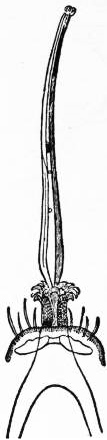
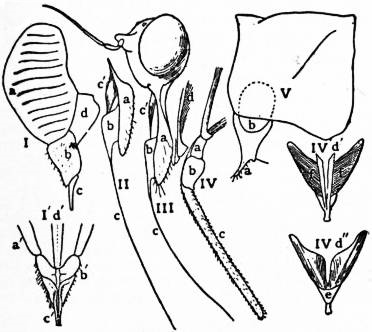
The single most diagnostic feature of every hemipteran is the rostrum—a specialized beak assembled from modified mandibles and maxillae that form a piercing stylet, all sheathed within a restructured labium. This stylet carries two internal channels: one for pushing saliva outward into the target tissue, and another for drawing liquid food back in. Two dedicated pumps power this exchange. A salivary pump drives enzymes into the prey or plant, while a cibarial pump extracts the resulting liquid. Both are driven by substantial dilator muscles anchored in the head. When not in use, the entire apparatus folds neatly beneath the body. What makes the system remarkable is its biochemical versatility. Whether the insect is a herbivore tapping plant sap or a predator like an assassin bug hunting other invertebrates, it injects a cocktail of digestive enzymes—amylase to break down starch, polygalacturonase to soften tough plant cell walls, and proteinases to degrade proteins—initiating digestion entirely outside the body before any liquid is ingested. This extra-oral strategy unites the order's wildly varied members under one elegant mechanical and chemical plan.
Allies, Pests, and Partners in Human History
For thousands of years, hemipterans have been woven into human affairs in ways both destructive and useful. On the negative side, many species—aphids chief among them—devastate crops by draining plant sap, while others pose direct threats to human health. Bed bugs persist as stubborn parasites of people, and certain kissing bugs serve as vectors for Chagas disease, a serious illness. Yet the relationship is not purely adversarial. Some hemipterans have been deliberately deployed as biological control agents, targeting either insect pests or invasive plant species. In the realm of commerce and craft, a handful of species have been cultivated specifically to yield valuable dyestuffs: cochineal and carmine for red pigments, and shellac for lacquers and coatings. Cicadas, meanwhile, occupy a curious cultural niche. They have been consumed as food in various traditions and have appeared in written literature stretching back to Homer's Iliad in Ancient Greece, where they served as a literary image. This layered history—pest, parasite, resource, and cultural symbol—underscores how deeply hemipterans have been entangled with human civilization across millennia.
Deep Roots and Shifting Classifications
The fossil record reveals that hemipterans have been evolving since the Carboniferous period, with the oldest known fossils—members of Archescytinidae—dating to the Lower Permian and thought to sit at the base of Auchenorrhyncha. Fulgoromorpha, Cicadomorpha, and early Sternorrhyncha, including Psylloidea and Aleyrodoidea, appear in Upper Permian deposits. Aphids, Coccoids, and the Heteroptera all surface in Triassic strata, while Coleorrhyncha reach back to the Lower Jurassic. Taxonomically, the order has undergone significant reorganization. Historically, entomologists split it into two separate orders—Homoptera and Heteroptera—based on wing structure and rostrum position. Nuclear DNA analyses later confirmed Homoptera as paraphyletic, rendering the name obsolete. The order is now divided into four suborders: Heteroptera, Sternorrhyncha, Auchenorrhyncha, and Coleorrhyncha. Yet mitochondrial DNA studies have raised the possibility that the old Homoptera grouping was actually monophyletic, a sister clade to Heteroptera. The discrepancy is attributed to long branch attraction, an artifact caused by rapidly evolving regions of the genome that can mislead phylogenetic reconstruction.
Gallery
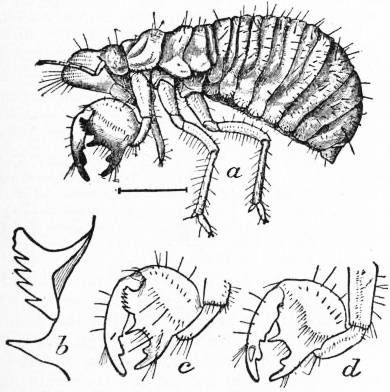
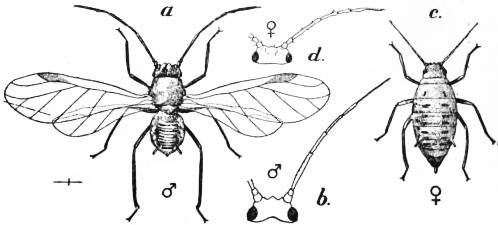
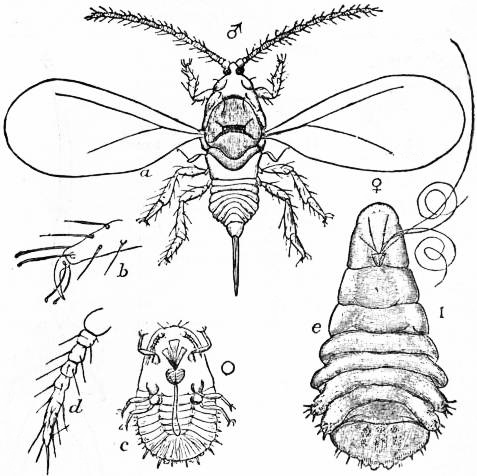
Frequently Asked Questions
Who is Hemiptera?
Hemiptera is an order of insects that includes well-known groups such as cicadas, aphids, and bed bugs. They are united by a shared set of rigid, needle-like mouthparts built for piercing and sucking. Individual species range from roughly a millimeter to about fifteen centimeters in length.
What are Hemiptera's signature abilities?
Their defining trait is a pair of stiff, straw-like mouthparts that let them bore into plant tissue or animal skin to draw out fluids. The majority tap into plant sap, though certain lineages have shifted toward hunting other insects or feeding on blood.
How does Hemiptera's life cycle work?
Hemipterans undergo incomplete metamorphosis, so their young emerge as small, wingless nymphs that closely resemble miniature adults. They pass through a series of molts before developing full wings in the final adult stage, with no pupal phase in between.
Why is Hemiptera important to humans?
Many hemipteran species are major agricultural pests that drain sap from crops, while others act as vectors for serious human and animal diseases. On the beneficial side, a few species have been deliberately deployed as biological control agents to manage other insect populations.
When did Hemiptera first appear in the fossil record?
The oldest confirmed hemipteran fossils come from the Permian period, making them one of the older insect lineages known to science. That places their origins well before the rise of the dinosaurs.
More in Invertebrates 25-40
Elsewhere in the Invertebrates universe
Spotted an error? Know more?
This is a living reference — every entry is fact-audited, and reader corrections feed straight into our audit queue. Suggest an edit · See this site's audit record