Hexapoda
Largest arthropod clade, including insects and wingless hexapods.

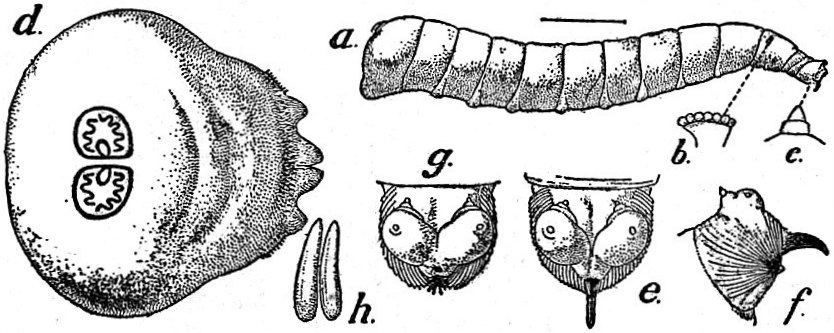
From Ridley, Insect Life , vol. 7 (U.S. Dept. Agr.). · Public domain
Hexapoda (from Greek for 'six legs') or hexapods is a subphylum of arthropods that comprises the largest clade of arthropods and includes most extant arthropod species. It includes the crown group class Insecta (true insects) as well as the much smaller class Entognatha, which contains three classes of wingless arthropods once considered insects: Collembola (springtails), Protura (coneheads), and Diplura (two-pronged bristletails). Insects and springtails are very abundant and are some of the most important pollinators, basal consumers, scavengers/detritivores, and micropredators in terrestrial environments.
- field
- Arthropod subphylum
- known_for
- Three-part body plan with consolidated thorax and three pairs of legs
- subgroups
- Insecta (true insects), Entognatha (Collembola, Protura, Diplura)
- distinctive_feature
- Three pairs of legs; most other arthropods have more
- closest_relatives
- Crustaceans (Pancrustacea), with remipedians as closest living relative
Lore & Background
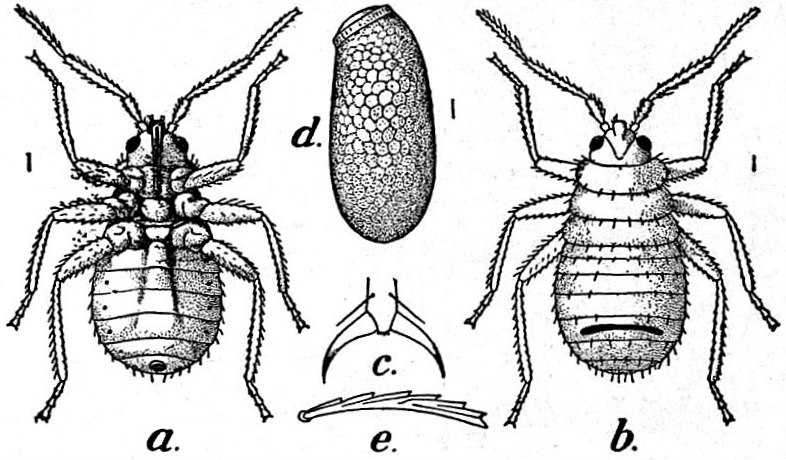
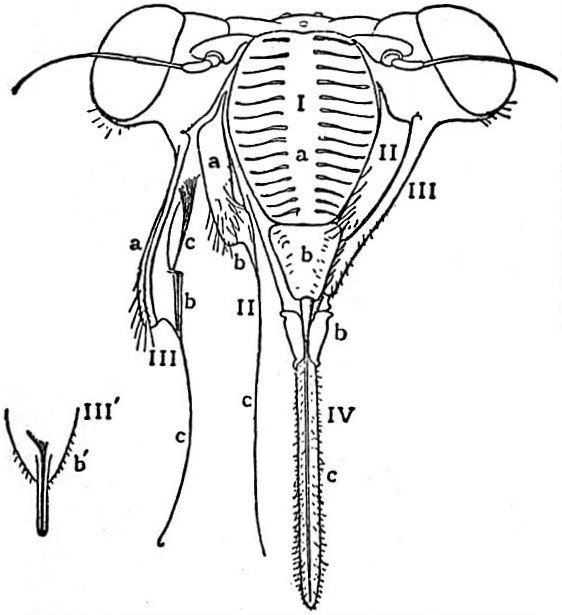
Hexapods are named for their most distinctive feature: a three-part body plan with a consolidated thorax and three pairs of legs. The head is composed of a presegmental acron and six fused segments, bearing antennae (absent in Protura), mandibles, maxillae, and a labium. In true insects the mouthparts are exposed (ectognathous), while in other groups they are enveloped (endognathous). The thorax has three segments, each with a single pair of legs; in most insects the second and third segments also support wings. The abdomen follows an epimorphic developmental pattern in all hexapod groups except Protura, which follow an anamorphic pattern with post-embryonic segment addition.
Reader's Guide
Hexapoda represents the dominant arthropod group in terrestrial environments, with insects and springtails serving as key pollinators, basal consumers, scavengers/detritivores, and micropredators. Their three-part body plan and three pairs of legs distinguish them from other arthropods. The subphylum's internal relationships remain debated: the non-insect hexapods have been considered a single evolutionary line (Class Entognatha) or multiple lines with different affinities to Insecta. Remipedians have since been revealed as the closest living relative of hexapods. Several hypotheses about internal relationships exist, including proturans as sister to other hexapods and collembolans and diplurans grouped in Antennomusculata. An incomplete possible insect fossil, Strudiella devonica, from the Devonian period may help fill an arthropod gap, though some researchers argue it could be a decomposed crustacean.
Did You Know?
- Hexapods are named for their three pairs of legs; most other arthropods have more.
- The antennae of insects consist of three segments (scape, pedicel, flagellum), while Collembola and Diplura have segmented antennae with muscles in each segment.
- Protura follow an anamorphic developmental pattern, adding segments after hatching, unlike other hexapods which have all segments at the end of embryonic development.
Gallery
Frequently Asked Questions
What is Hexapoda?
Hexapoda is a subphylum of arthropods defined by carrying exactly three pairs of legs, and it represents the single largest clade within the entire arthropod family. It accounts for the overwhelming majority of described arthropod species on Earth.
What groups fall under Hexapoda?
The subphylum divides into two main branches: Insecta, which holds all true insects, and Entognatha, a smaller assemblage of wingless hexapods split into springtails (Collembola), coneheads (Protura), and two-pronged bristletails (Diplura).
What is Hexapoda's most recognizable trait?
The hallmark is the three-pair-of-legs body plan with a consolidated thorax, a configuration that separates hexapods from nearly every other arthropod group that bears more than six walking appendages.
Who are Hexapoda's closest relatives?
Hexapods nest inside the broader Pancrustacea clade alongside crustaceans, and their nearest living kin are the remipedians, a small group of marine crustaceans.
Why is Hexapoda so ecologically significant?
Insects and springtails function as essential pollinators, detritivores, scavengers, basal consumers, and micropredators across terrestrial habitats, anchoring nearly every land-based food web.
More in Invertebrates 25-40
Elsewhere in the Invertebrates universe
Spotted an error? Know more?
This is a living reference — every entry is fact-audited, and reader corrections feed straight into our audit queue. Suggest an edit · See this site's audit record